UNI NOVA – Research Magazine of the University of Basel
-
 Portrait
The art of ethnography
Text: Samuel Schlaefli / Silvy Chakkalakal is studying the photographs and films of the American ethnologist Margaret Mead. Mead’s fieldwork in Samoa and Bali was not simply academic research, but artistic practice.
-
 Column
The Aesthetics of Resistance
Text: Prof. Alexander Honold / My book: Literary scholar Alexander Honold recommends Peter Weiss’s epic of resistance, flight, and bearing witness
-
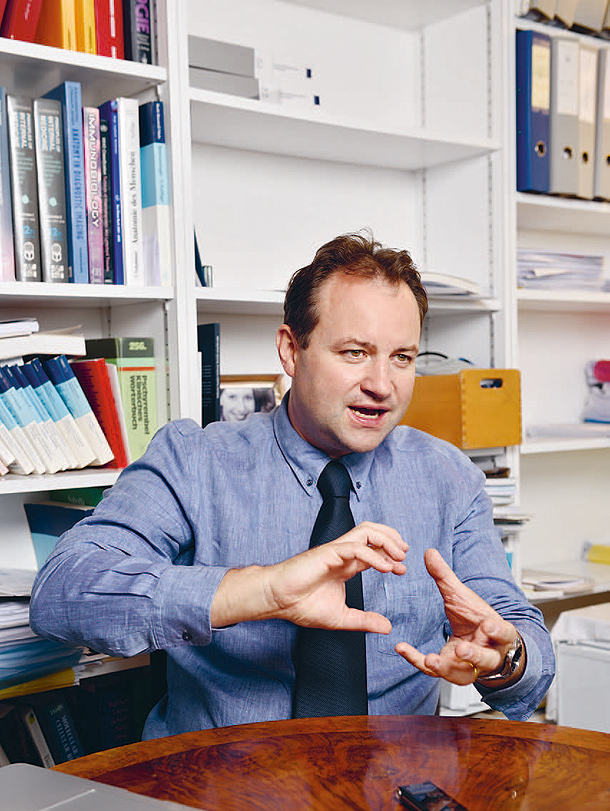 In conversation
Immunotherapy – A revolution in cancer treatment.
Interview: Matthias Geering / Professor of Oncology Alfred Zippelius conducts research at the University Hospital of Basel in the field of immunotherapy as a means of treating cancer. As deputy director of medical oncology, Professor Zippelius applies this new therapy in treating patients. He is convinced that we are about to experience a revolution in dealing with certain types of cancer.
-
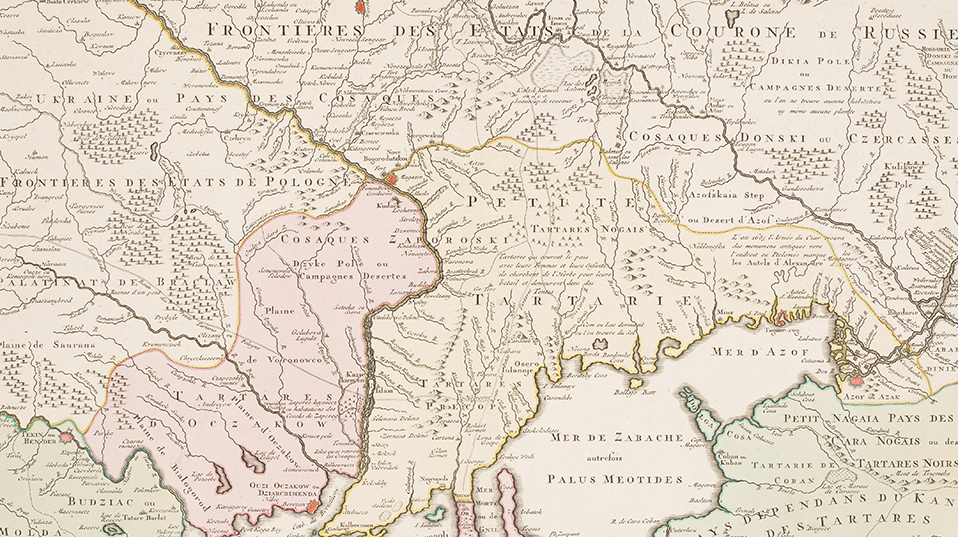 Dossier
The concept of “Eastern Europe” in past and present.
Professor Thomas Grob / It may be a convenient term, but its meaning is fuzzy: “Eastern Europe” is an idea that is continually being redefined.
-
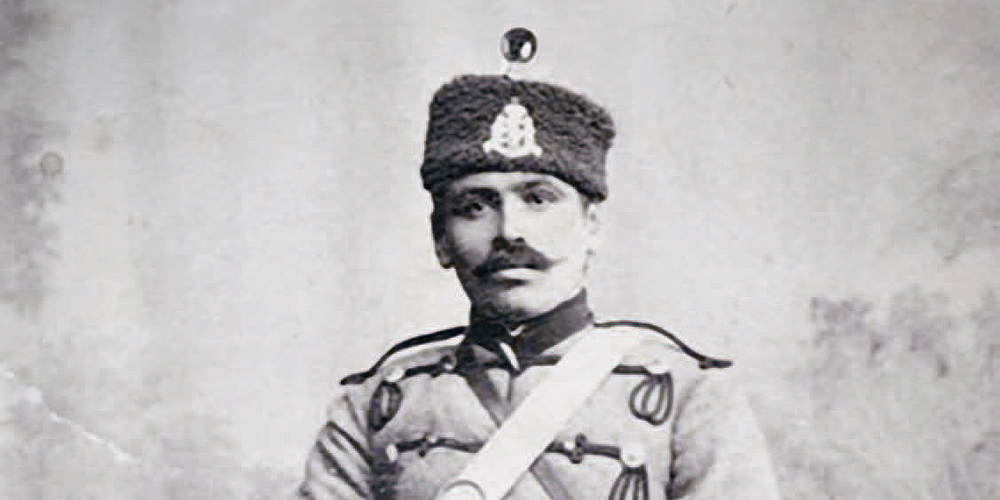 Dossier
National heroes from the photo studio
Till Hein / In her current research project, Martina Baleva is investigating historic carte-de-visite photography – “Facebook of the 19th century.” She has found that, much like today, the “users” were often misled.
-
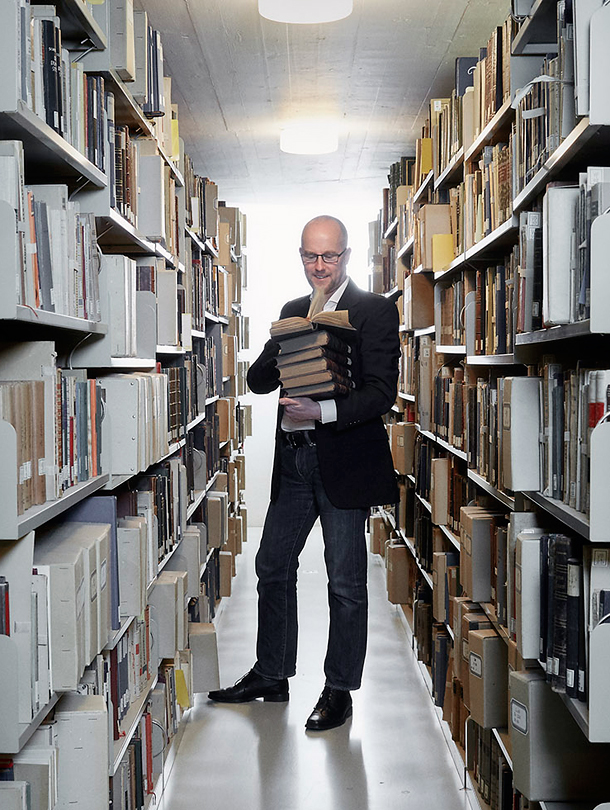 Dossier
“The war in Ukraine has deeply divided Switzerland, too”
Interview: Ivo Mijnssen / Frithjof Benjamin Schenk, Professor of East European History, on the roots of the conflict in Ukraine and how it is affecting Switzerland’s university landscape.
-
 Dossier
Care from the east for older people
Christoph Dieffenbacher / Thousands of women from Eastern Europe work with older people in Switzerland, caring for them in their own homes, often around the clock. They find their jobs via commercial agencies, generally under precarious conditions and for low wages.
-
 Dossier
Little quiet on the eastern front
Urs Hafner / In the West, we see Eastern Europe as a place mired in backwardness, where nationalism, corruption, and chauvinism are rife. Yet, the recent history of the East offers some pioneering models of co-existence between different cultures.
-
 Dossier
A founding myth: the Soviet Union’s Rütli
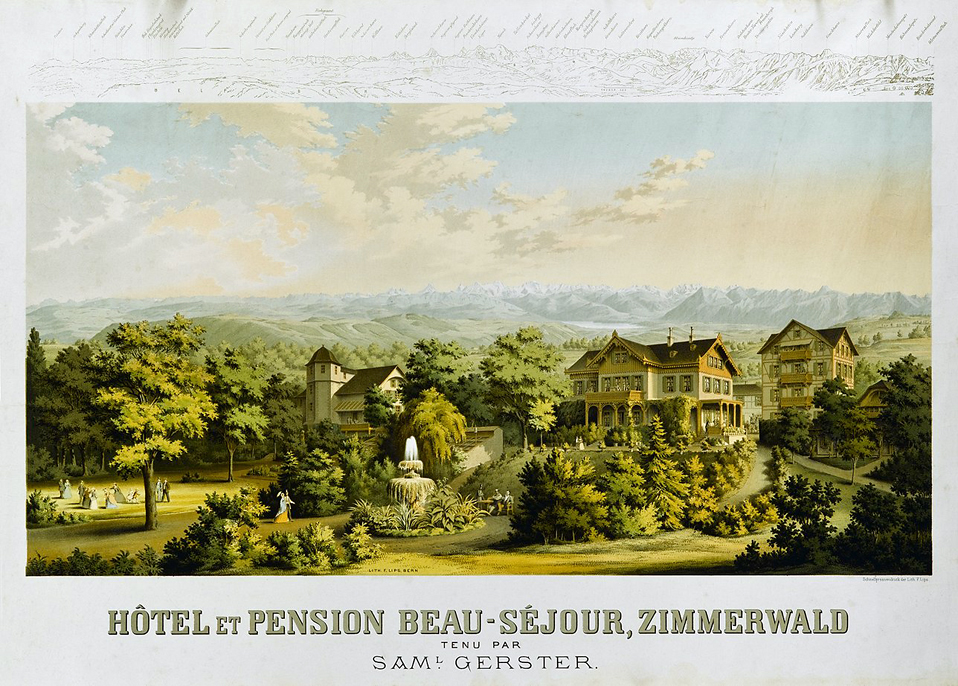
Till Hein / In September 1915, Lenin, Trotsky, and around three dozen other left-wing politicians and activists from twelve European countries met at Zimmerwald near Bern. They dreamed of uniting the workers’ movement internationally and stopping the First World War. A hundred years later, Eastern European historians in Basel are shedding light on this secret meeting – and its strange afterlife in the memory cultures of East and West.