

-
21 Oct 2026
16:00 - 18:00Universität Basel, Kollegienhaus, Petersplatz 1, 4051 Basel, Hörsaal 102
Society & Culture
Im SchneeÖffentlicher Vortrag von Dr. Benjamin Dinkel und Emmanuel Heman (beide Universität Basel ) im Rahmen der Ringvorlesung «Literaturen der Schweiz»
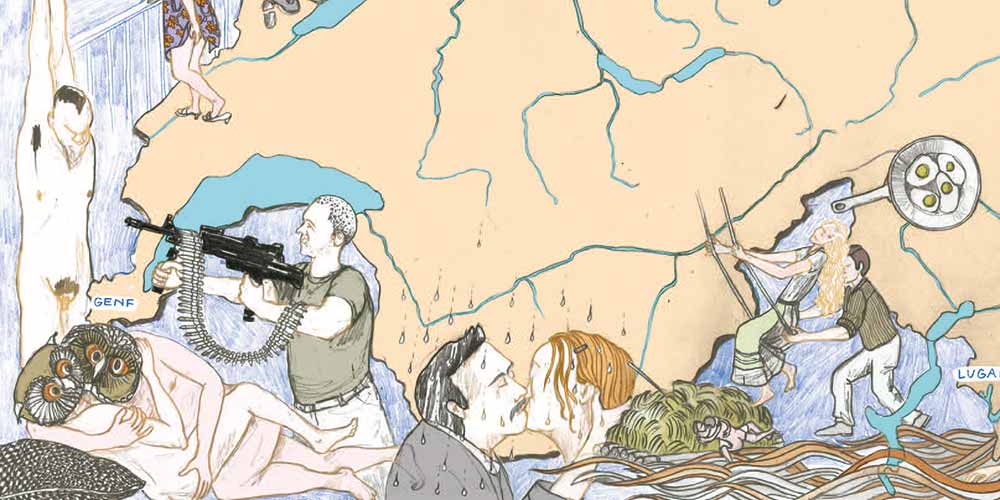
(Illustration: Yvonne Rogenmoser) Die Schweiz ist ein Land vieler Sprachen, Kulturen und literarischer Traditionen. Die Ringvorlesung beleuchtet diese Vielfalt aus einer interphilologischen Perspektive und lädt dazu ein, bekannte und weniger bekannte Literaturen der Schweiz neu zu entdecken.
Die geographische Lage der Schweiz zwischen grossen europäischen Sprachräumen und ihre Geschichte als Transit-, Migrations- und zugleich Rückzugsraum haben ihre Literaturen geprägt. Zur sprachlichen Vielfalt gehören neben Deutsch, Französisch, Italienisch und Rätoromanisch auch die zahlreichen Formen des Schweizerdeutschen. Hinzu kommt eine bedeutende postmigrantische Literatur, in der mehrfache Sprach- und Kulturbindungen zum Ausdruck kommen.
Auch international renommierte Autorinnen und Autoren fanden in der Schweiz zeitweise Zuflucht oder eine Wahlheimat – von Jean-Jacques Rousseau und Mary Shelley über Hermann Hesse, Thomas Mann und Vladimir Nabokov bis zu Patricia Highsmith und Donna Leon.
Die Ringvorlesung erkundet diese historische und kulturelle Spannweite exemplarisch. Die interphilologische Perspektive soll etablierte Kanonisierungsmuster aufbrechen und den Blick für die ästhetische Vielfalt und «Ungleichzeitigkeit» literarischer Entwicklungen schärfen. Zugleich versteht sich die Reihe als Einladung zu neuen Entdeckungen und Lektüren.
Die Vorlesungsreihe wird durch die Freiwillige Akademische Gesellschaft Basel gefördert.
Organizer:
Departement Sprach- und LiteraturwissenschaftenExport events asiCal
-
21 Oct 2026
18:15 - 20:00Universität Basel, Kollegienhaus, Aula, Petersplatz 1, 4051 Basel
Society & Culture
Der ungarische Volksaufstand. Ereignis und TraditionGedenkanlass zum 70. Jahrestag der Ungarischen Revolution 1956 mit György Dalos, Schriftsteller, Übersetzer und Historiker
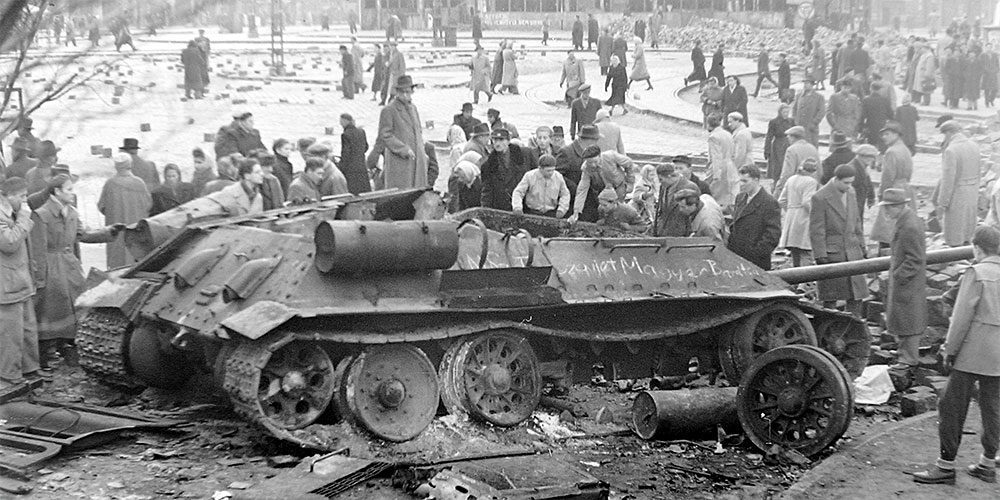
Ein zerstörter T-34/85-Panzer während des Budapester Aufstandes 1956. (Bild: Wikimedia commons | CC BY-SA 3.0) Vortrag von György Dalos (Berlin) im Rahmen des Forschungskolloquiums für Osteuropäische Geschichte in Kooperation mit der Stiftung zur Förderung der ungarischen Sprache, Geschichte und Kultur.
Vor siebzig Jahren, am 23. Oktober 1956, begann der ungarische Volksaufstand gegen die stalinistische Diktatur. Ursprünglich handelte es sich um eine friedliche Demonstration von Studierenden Budapester Hochschulen im Zeichen der Solidarität mit der gleichzeitigen polnischen Bewegung. Zur gleichen Zeit entschied sich das Moskauer Politbüro zur Mobilisierung der im Rahmen des Warschauer Vertrags in Ungarn stationierten sowjetischen Streitkräfte zur Unterdrückung der Bewegung – man rechnete mit einem raschen Erfolg wie am 17. Juni 1953 in der DDR.
Die darauffolgenden elf Tage gingen in die Annalen der ungarischen Geschichte als «Revolution» ein, während das mithilfe der Sowjetarmee wiederhergestellte kommunistische Regime die Ereignisse als «Konterrevolution» bezeichnete und ihre Führer und Teilnehmer strafrechtlich verfolgte – mehr als 200 Hinrichtungen fanden statt, Gefängnisse und Internierungslager waren zum Bersten voll. Im November und Dezember 1956 kam es zu einer Massenflucht von 200’000 Ungarn in den Westen, auch in die Schweiz.
Das historische Trauma wirkte noch jahrzehntelang auf die Gesellschaft nach. Gleichzeitig begriff die neue KP-Führung um János Kádár, dass das Land nach 1956 nicht mehr so regiert werden konnte wie zuvor. Soziale Erleichterungen, verbesserte Lebensmittelversorgung und Lockerungen im kulturellen Bereich schufen ab den 1960er Jahren das Phänomen des «Gulaschkommunismus», einer durch Konsum und «kleine Freiheiten» gemilderten, modernisierten Variante der Diktatur.
György Dalos (geb. 1943 in Budapest) ist Schriftsteller, Übersetzer und Historiker. 1984 erhielt er ein Stipendium des Berliner DAAD und war an der Forschungsstelle Osteuropa der Universität Bremen tätig. 2010 wurde er mit dem Leipziger Buchpreis zur Europäischen Verständigung ausgezeichnet. Seine Werke wurden unter anderem ins Englische, Französische, Dänische, Schwedische, Türkische, Portugiesische, Russische und Hebräische übersetzt. Er lebt als freier Autor in Berlin.
Im Anschluss an die Veranstaltung Apéro im Foyer.
Organizer:
Profilbereich Osteuropa; Stiftung zur Förderung der ungarischen...Export events asiCal
-
22 Oct 2026
18:15Botanisches Institut der Universität Basel, Schönbeinstrasse 6, 4056 Basel, Hörsaal
-
23 Oct 2026
14:00 - 18:00Online (Zoom)
Society & Culture
Digital Futures for Afghan Photographie HeritageInterdisciplinary symposium
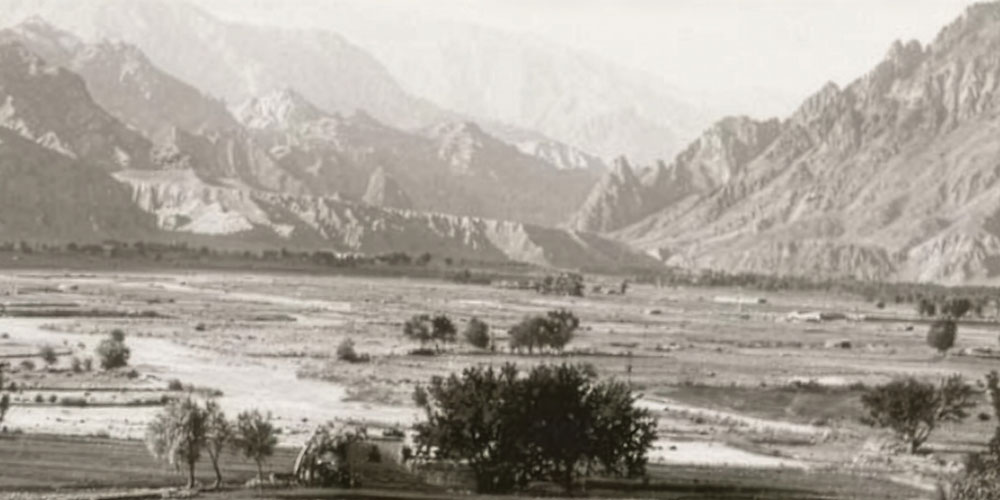
(Photo: Marek Gawęcki, Poznań; Text: Stiftung Bibliotheca Afghanica, Universitätsbibliothek Basel, 2025) Guided by the goal of better connecting Afghanistan’s photographic heritage and making it more discoverable and accessible, the event brings together experts from various disciplines.
Program
- Joël László, University Library Basel
Bibliotheca Afghanica at Basel University Library: Taking Stock, Looking Ahead (Introduction) - Dr. Paul Bucherer, Founder Bibliotheca Afghanica
Phototheca Afghanica as a Visual Documentation of Afghan History and Modernisation - Dr. Mateusz Kłagisz, Jagiellonian University Krakow
A Philologist's Approach to Afghanistan's Photographic Heritage - Dr. Sepideh Alassi, University of Basel
GraphAfghanica: Building a Federated Knowledge Graph for Afghan Photographic Heritage - Prof. Shah Mahmoud Hanifi, James Madison University
Potential Visual Realms for GraphAfghanica Expansion
Registration
You will receive the Zoom link after registration.
Organizer:
Digital Humanities LabExport events asiCal
- Joël László, University Library Basel
Report events
The University of Basel calendar lists events offered by the University of Basel, its numerous units, and accredited student organizations and associated institutions. They address a larger audience, are public and open to all. As a rule, admission is free.
You can also have your event listed in the Calendar of Events, provided it meets the above criteria. To do so, send the title, short text, time, place, organizer, link to website and, if available, photo (JPG) and program flyer (PDF) to E-Mail: agenda@unibas.ch