

Issue 02/2026: Sweet paradox.
Sugar brings both pleasure and problems. It’s a treat, a cultural staple and a factor in our health. This issue explores the many facets of sweetness.
Subscribe to the newsletter-
 Dossier
A taste of luxury: How sugar became a status symbol.
Text: Noëmi Kern / In Baroque Europe, sugar sculptures were more than extravagant desserts: They displayed wealth, conveyed political messages and celebrated power. Media historian Markus Krajewski explores how these edible artworks turned sugar into a status symbol.
-
 Dossier
Sweet traditions: The meaning of honey and sweets in Judaism.
Text: Michelle Isler / Sweet foods and sin often go hand in hand in everyday language. Jewish traditions offer a different perspective and show how enjoying sweet treats can be part of spiritual life.
-
 Dossier
Aspartame, xylitol and friends.
Text: Yvonne Vahlensieck / Sugar substitutes offer sweetness with fewer or no calories. But how do they affect metabolism? Researchers in Basel are studying their effects on blood sugar, satiety and insulin. Questions remain about their long-term effects on health.
-
 Dossier
Type 2 diabetes can also affect people who are not overweight.
Interview: Santina Russo / The number of cases of type 2 diabetes is increasing, even in children. What do we know about its causes, and how can people protect themselves against it? Eleonora Seelig, a specialist in diabetes, shares her expertise.
-
 Dossier
Keto to tackle depression?
Text: Lara Uebelhart / People who follow a ketogenic diet consume very few carbohydrates. This causes the body to rely more on fat and ketone bodies for energy. Researchers from Basel are investigating whether this could also benefit mental health.
-
 Dossier
Tooth truths.
Text: Angelika Jacobs / Is honey better for teeth than ordinary sugar? And should you always wait half an hour before brushing your teeth after a meal? Five questions and answers on sugary treats, teeth and toothpaste.
-
 Dossier
Does Switzerland need a sugar tax?
Text: Armando Meier / More than 60 countries tax sugary drinks or foods, and studies show that these taxes can reduce consumption. While Switzerland has so far relied on voluntary measures, health economist Armando Meier explains the case for a sugar tax and the questions surrounding its design.
-
 Dossier
How mucus sugars help protect us from harmful microbes.
Text: Ori Schipper / Our mucous membranes contain a surprising defense system: Complex sugar molecules that can protect us from the harmful effects of fungi and bacteria.
-
 Fact Check
Fact check: How much of our brain do we actually use?
Text: Georg Keller / Do we really use only 10 percent of our brain? Neuroscience shows that we use all of it. Its capacity to learn and adapt—known as neuroplasticity—is where its true potential lies, and physical activity can help.
-
 In conversation
The psychology of why we take risks.
Interview: Catherine Weyer / Why does the same situation feel risky to one person and safe to another? Psychologist Loreen Tisdall explains how emotions, experience and age shape our perception of risk. And why recognizing a danger doesn’t always stop us from taking a chance.
-
 Portrait
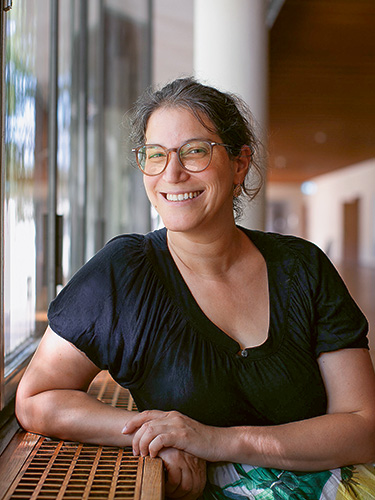
Susanna Zimmermann – Contemplator of complex forms.
Text: Angelika Jacobs / Becoming a mathematician wasn’t an obvious choice for Susanna Zimmermann. Today, she is a professor and one of the leading researchers in her field. She’s also learned to set boundaries along the way.
-
 Opinion
Banning social media for young people, Professor Gradl-Dietsch?
Text: Gertraud Gradl-Dietsch, psychiatrist / A ban aims to protect young people from the risks of social media, but what would they also be losing out on? Perspectives from child and adolescent psychiatry.
-
 Opinion
Banning social media for young people, Professor Wolfers?
Text: Lara Wolfers, media psychologist / A ban aims to protect young people from the risks of social media, but what would they also be losing out on? Perspectives from media psychology.
-
 Research
Noah’s Ark for the global elite: Safe havens from climate change.
Text: Samuel Schlaefli / Exclusive safari lodges in Namibia, luxury resorts in Antarctica or smart cities in Mauritius: Global elites are creating havens for a world shaped by climate change. A University of Basel research project examines how these places take shape and what they mean for local communities.
-
 Research
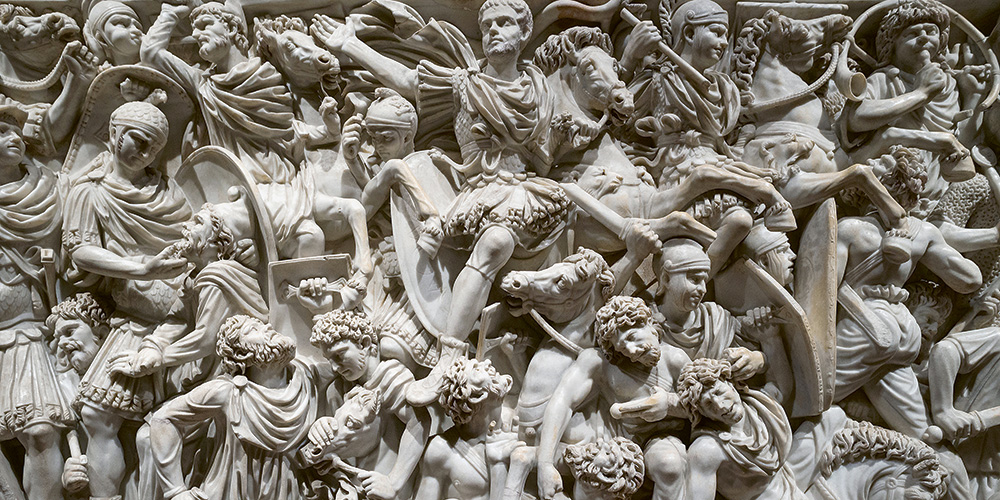
Crisis and disaster in antiquity.
Text: Christoph Dieffenbacher / Ancient historians interpreted difficult times very differently than we do today. Classicist Gunther Martin believes their perspectives are especially worth revisiting in our own troubled times.
-
 Research
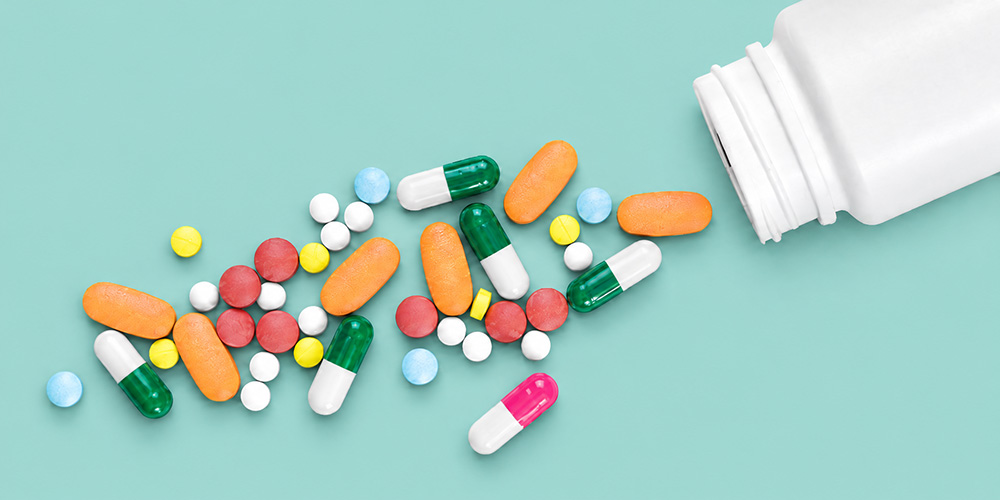
Effective correspondence: How letters encourage patients to switch to generic drugs.
Text: Tobias von Rohr / A Swiss study found that patients who received personalized information from their health insurer were around four times more likely to choose cheaper medication. The findings also helped prompt a change in federal policy.
-
 In pictures
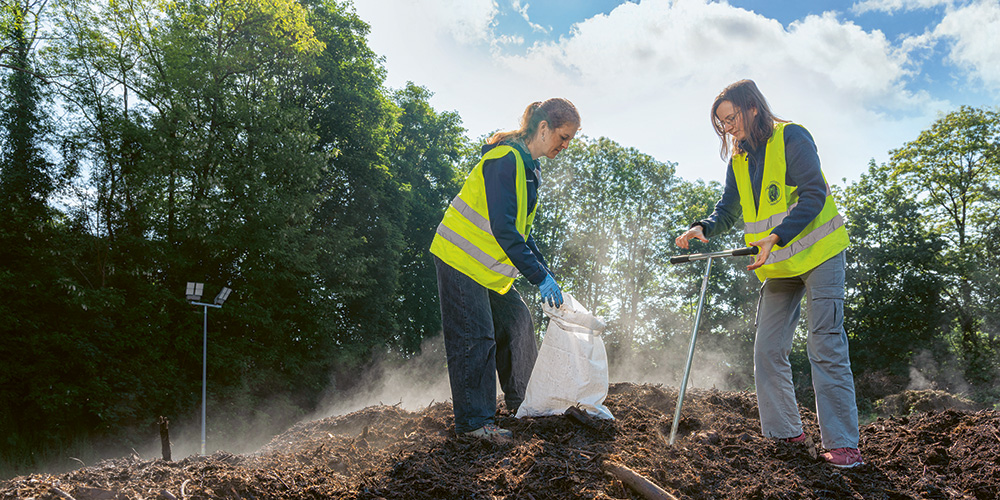
How compost protects plants.
Text: Angelika Jacobs / Compost can protect plants against diseases such as fungal infection when mixed into potting soil or sprayed on the leaves as a watery extract. Researchers at the University of Basel are working with the Research Institute of Organic Agriculture (FiBL) to identify the microbes in the compost that provide this protection. These could be used to make new biological agents to protect plants.
-
 Research
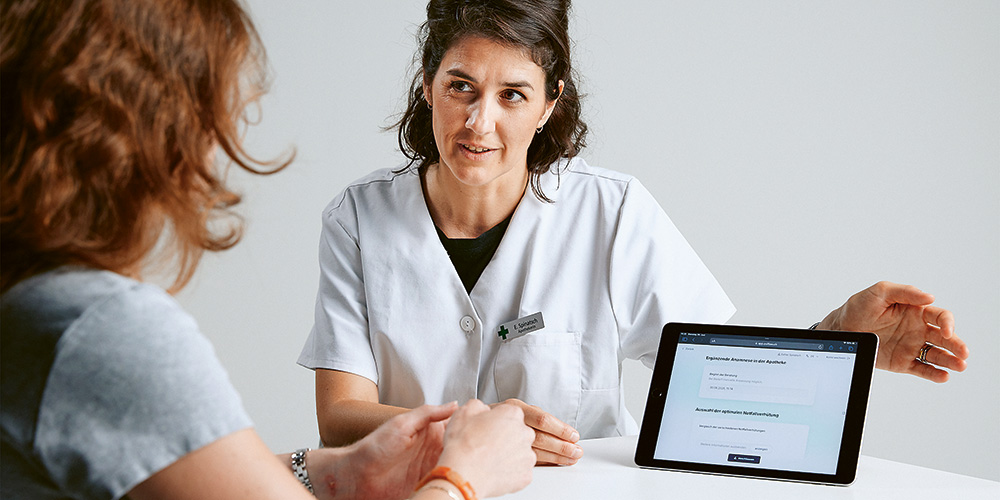
Discreet access to the “morning-after pill.”
Interview: Noëmi Kern / Access to emergency contraception requires an in-person consultation at a pharmacy, which involves answering extremely personal questions. Esther Spinatsch has developed a digital tool to make this experience less stressful.
-
 Opinion
Entering the job market after graduation: What the latest figures mean.
The Swiss Federal Statistical Office recently reported that university graduates are more likely to be unemployed one year after graduation than they were in 2023. Thomas Grob, Vice President for Education, explains what these findings mean for teaching and learning at universities.
-
 Research
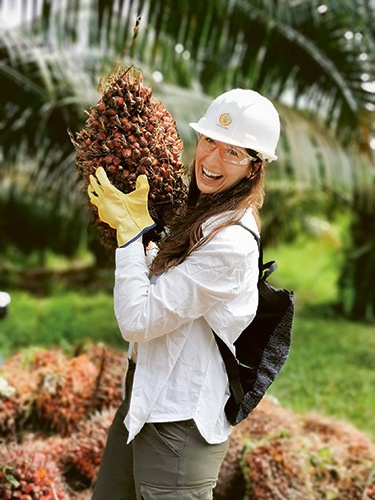
Why I'm passionate about my topic: Understanding supply chains.
Text: Lucia Casalegno, Sustainability researcher / How do European sustainability regulations affect the supply chains for coffee, cocoa, and palm oil? Lucia Casalegno explains what appeals to her about this research topic.
-
 Alumni
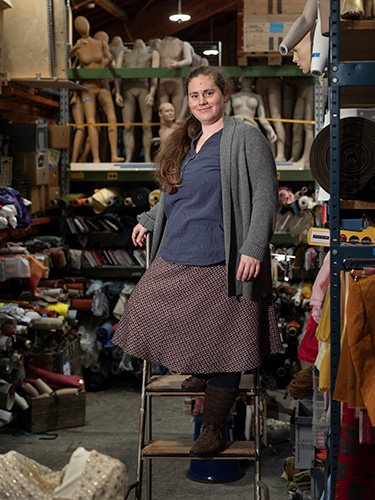
Salome Thommen: The alchemist of odds and ends.
Text: Evelyn Weissheim / Living sustainably works best when it fits seamlessly into daily routine. Salome Thommen wants, above all, to inspire people.
-
 Alumni
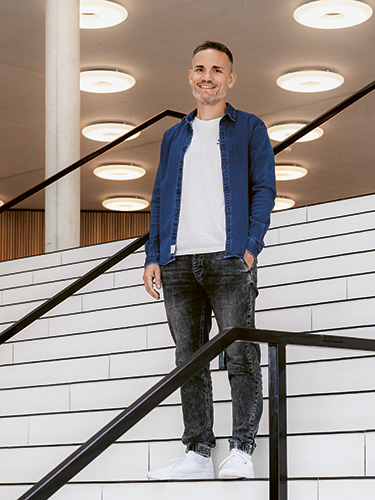
The man who gets Basel crowds cheering.
Interview: Evelyn Weissheim / When it comes to organizing large-scale events, Beat Läuchli knows his stuff. In Basel, he has organized events such as the Eurovision Song Contest and the European Artistic Gymnastics Championships. Today, he is Chief Operations Officer at FC Basel. He explains what drives him and how his time at the University of Basel shaped him.