UNI NOVA – Research Magazine of the University of Basel
-
 Fact Check
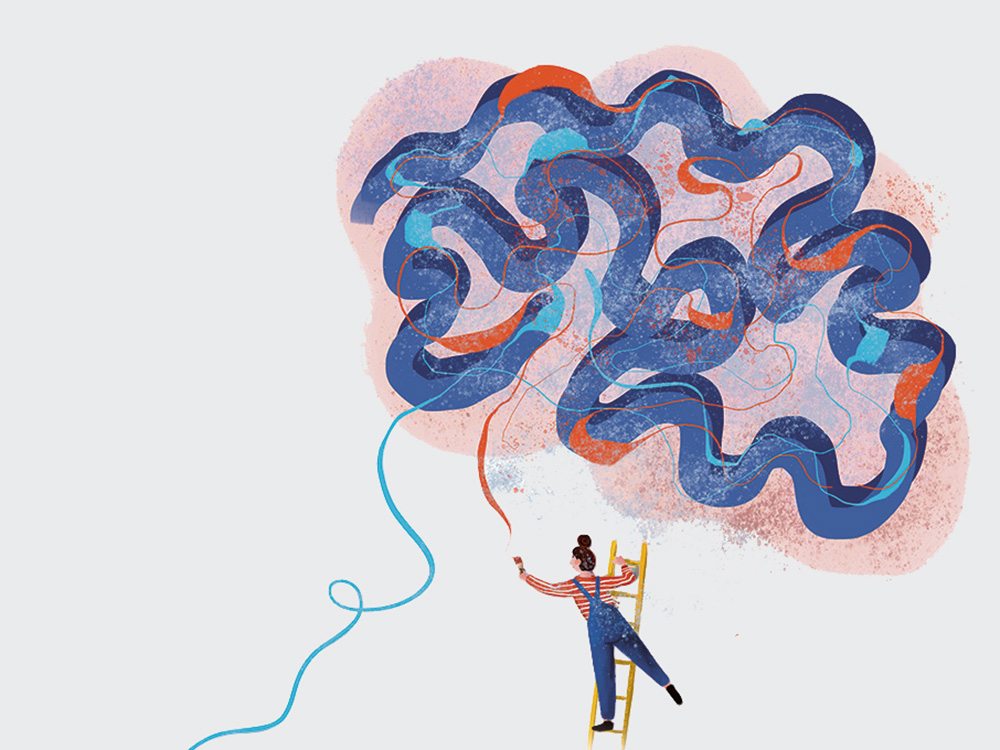
Fact check: How much of our brain do we actually use?
Text: Georg Keller / Do we really use only 10 percent of our brain? Neuroscience shows that we use all of it. Its capacity to learn and adapt—known as neuroplasticity—is where its true potential lies, and physical activity can help.
-
 In conversation
The psychology of why we take risks.
Interview: Catherine Weyer / Why does the same situation feel risky to one person and safe to another? Psychologist Loreen Tisdall explains how emotions, experience and age shape our perception of risk. And why recognizing a danger doesn’t always stop us from taking a chance.
-
 In pictures
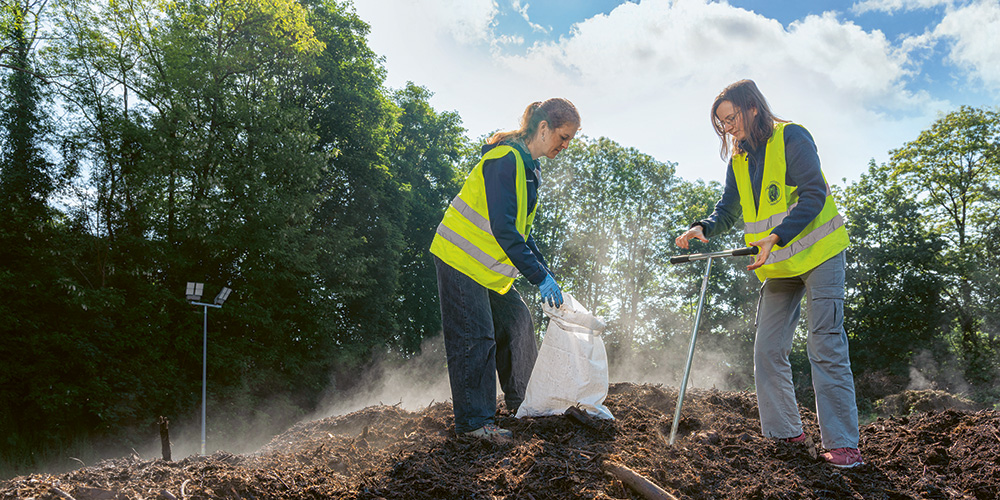
How compost protects plants.
Text: Angelika Jacobs / Compost can protect plants against diseases such as fungal infection when mixed into potting soil or sprayed on the leaves as a watery extract. Researchers at the University of Basel are working with the Research Institute of Organic Agriculture (FiBL) to identify the microbes in the compost that provide this protection. These could be used to make new biological agents to protect plants.
-
 Opinion
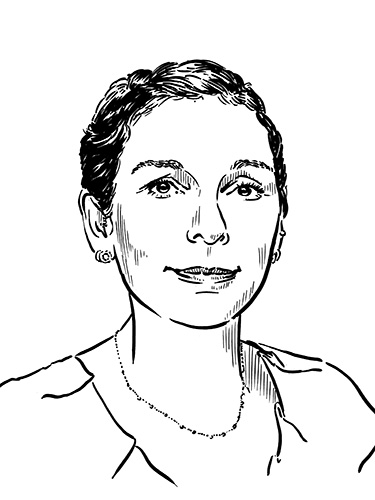
Banning social media for young people, Professor Gradl-Dietsch?
Text: Gertraud Gradl-Dietsch, psychiatrist / A ban aims to protect young people from the risks of social media, but what would they also be losing out on? Perspectives from child and adolescent psychiatry.
-
 Opinion
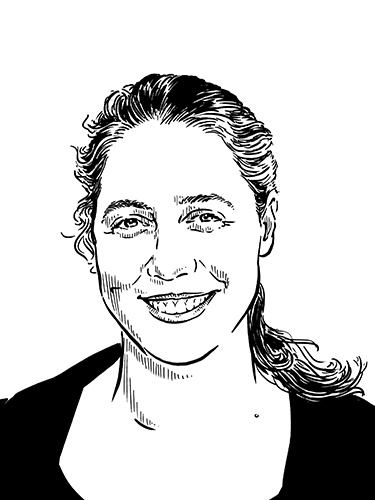
Banning social media for young people, Professor Wolfers?
Text: Lara Wolfers, media psychologist / A ban aims to protect young people from the risks of social media, but what would they also be losing out on? Perspectives from media psychology.
-
 Portrait
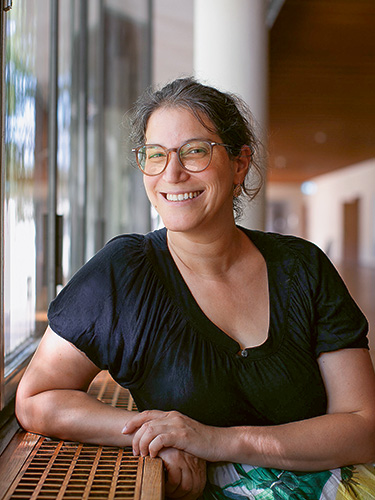
Susanna Zimmermann – Contemplator of complex forms.
Text: Angelika Jacobs / Becoming a mathematician wasn’t an obvious choice for Susanna Zimmermann. Today, she is a professor and one of the leading researchers in her field. She’s also learned to set boundaries along the way.
-
 Research
Noah’s Ark for the global elite: Safe havens from climate change
Text: Samuel Schlaefli / Exclusive safari lodges in Namibia, luxury resorts in Antarctica or smart cities in Mauritius: Global elites are creating havens for a world shaped by climate change. A University of Basel research project examines how these places take shape and what they mean for local communities.
-
 Research
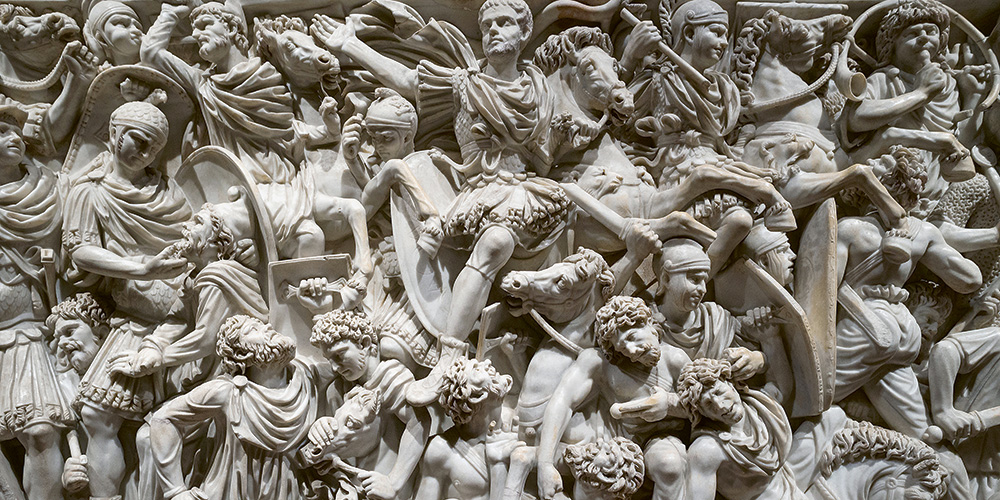
Crisis and disaster in antiquity.
Text: Christoph Dieffenbacher / Ancient historians interpreted difficult times very differently than we do today. Classicist Gunther Martin believes their perspectives are especially worth revisiting in our own troubled times.
-
 Research
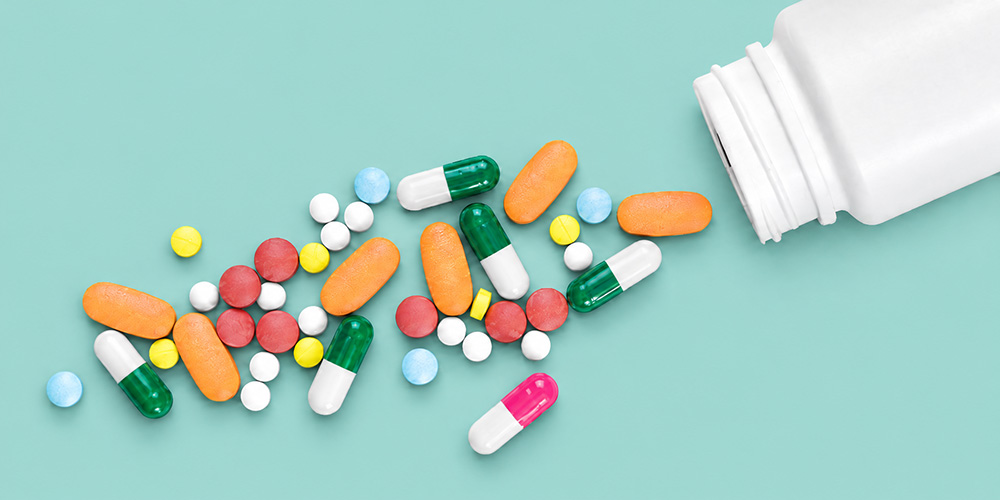
Effective correspondence: How letters encourage patients to switch to generic drugs.
Text: Tobias von Rohr / A Swiss study found that patients who received personalized information from their health insurer were around four times more likely to choose cheaper medication. The findings also helped prompt a change in federal policy.