UNI NOVA – Research Magazine of the University of Basel
-
 Fact Check
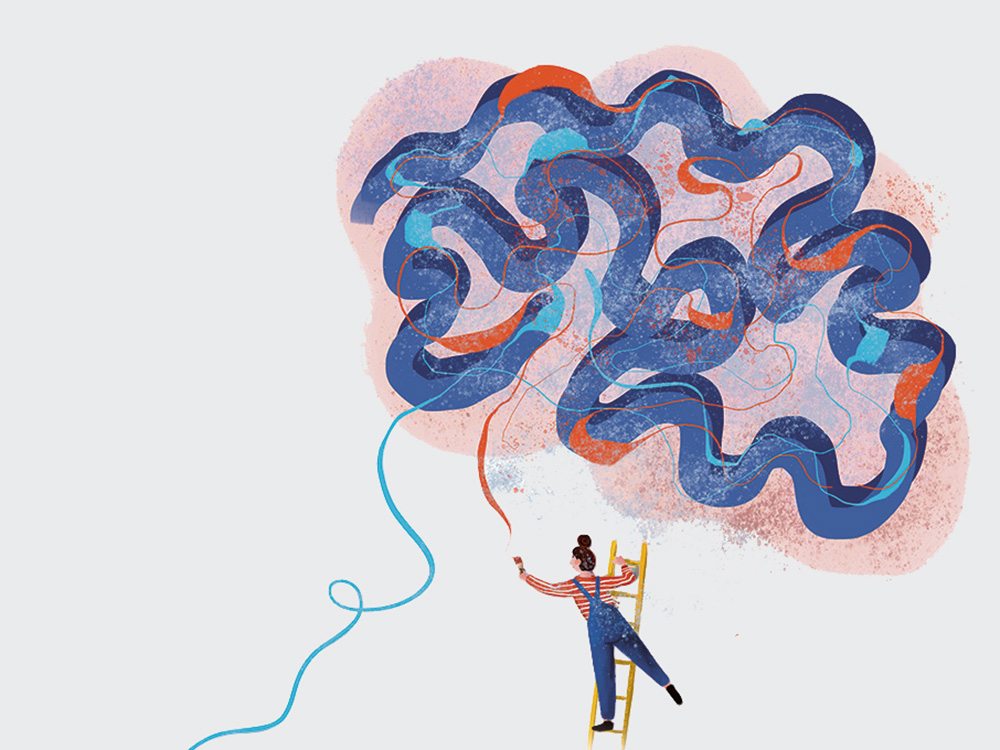
Fact check: How much of our brain do we actually use?
Text: Georg Keller / Do we really use only 10 percent of our brain? Neuroscience shows that we use all of it. Its capacity to learn and adapt—known as neuroplasticity—is where its true potential lies, and physical activity can help.
-
 In conversation
The psychology of why we take risks.
Interview: Catherine Weyer / Why does the same situation feel risky to one person and safe to another? Psychologist Loreen Tisdall explains how emotions, experience and age shape our perception of risk. And why recognizing a danger doesn’t always stop us from taking a chance.
-
 Dossier
A taste of luxury: How sugar became a status symbol.
Text: Noëmi Kern / In Baroque Europe, sugar sculptures were more than extravagant desserts: They displayed wealth, conveyed political messages and celebrated power. Media historian Markus Krajewski explores how these edible artworks turned sugar into a status symbol.
-
 Dossier
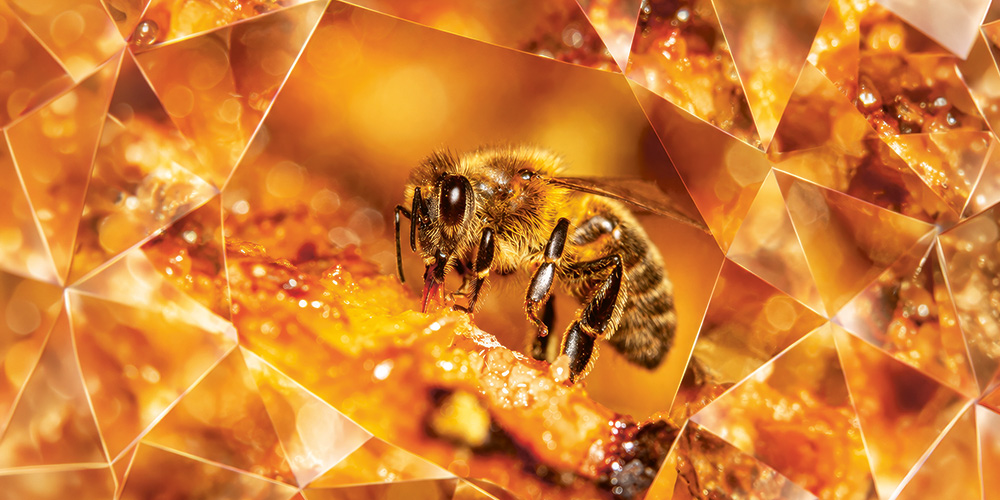
Sweet traditions: The meaning of honey and sweets in Judaism.
Text: Michelle Isler / Sweet foods and sin often go hand in hand in everyday language. Jewish traditions offer a different perspective and show how enjoying sweet treats can be part of spiritual life.
-
 Dossier
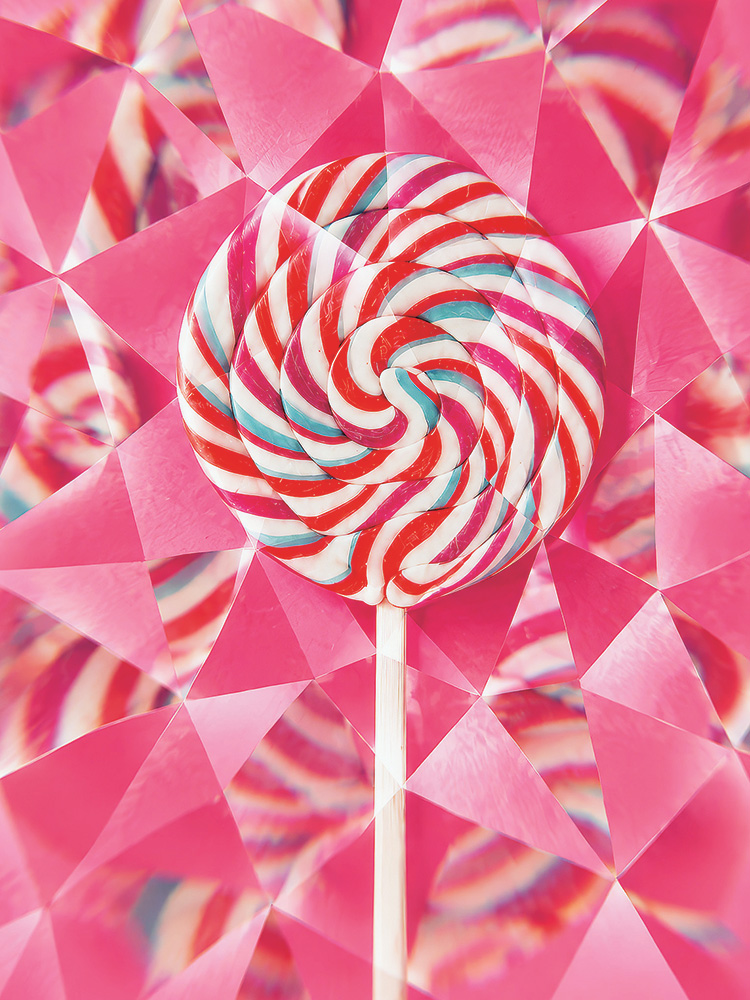
Aspartame, xylitol and friends.
Text: Yvonne Vahlensieck / Sugar substitutes offer sweetness with fewer or no calories. But how do they affect metabolism? Researchers in Basel are studying their effects on blood sugar, satiety and insulin. Questions remain about their long-term effects on health.
-
 Dossier
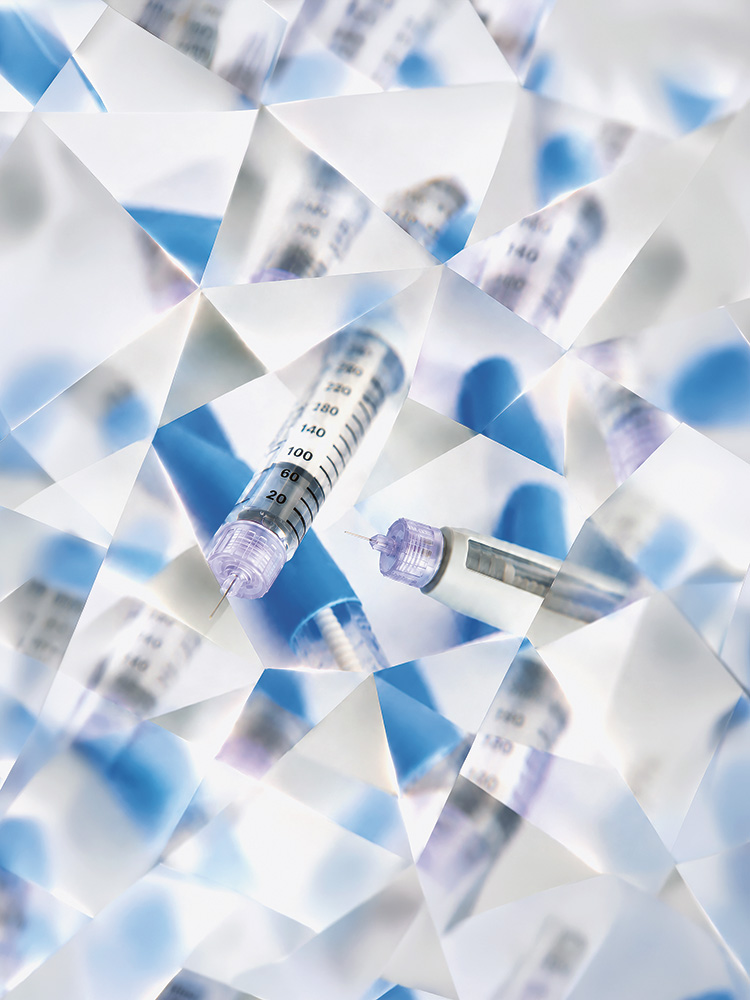
Type 2 diabetes can also affect people who are not overweight.
Interview: Santina Russo / The number of cases of type 2 diabetes is increasing, even in children. What do we know about its causes, and how can people protect themselves against it? Eleonora Seelig, a specialist in diabetes, shares her expertise.
-
 Dossier
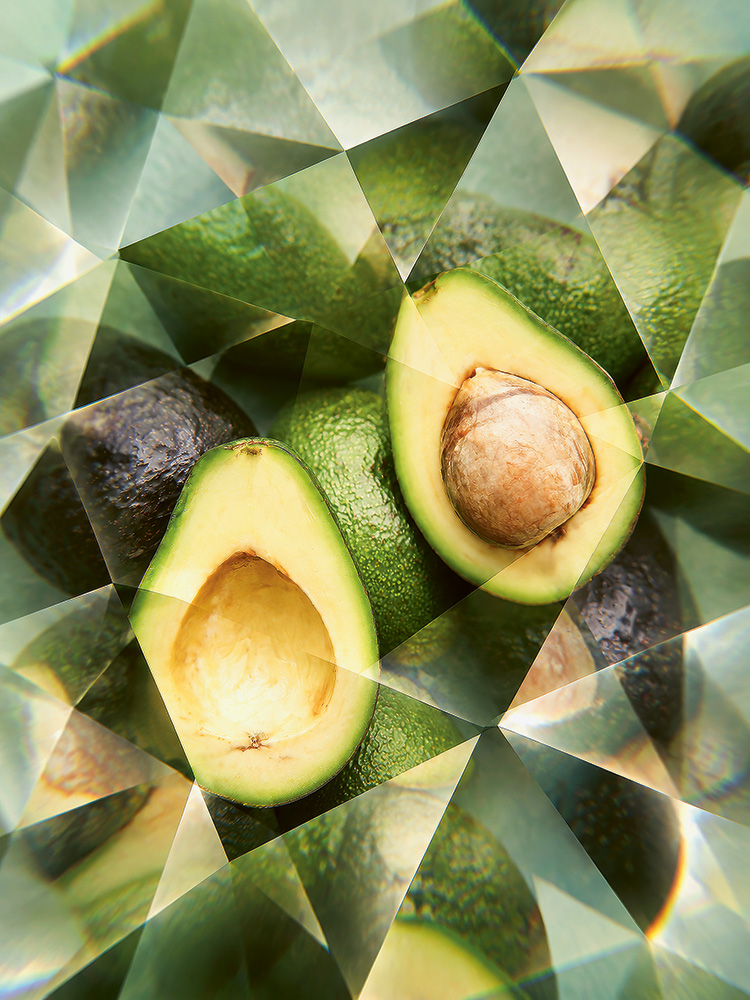
Keto to tackle depression?
Text: Lara Uebelhart / People who follow a ketogenic diet consume very few carbohydrates. This causes the body to rely more on fat and ketone bodies for energy. Researchers from Basel are investigating whether this could also benefit mental health.
-
 Dossier
Tooth truths.
Text: Angelika Jacobs / Is honey better for teeth than ordinary sugar? And should you always wait half an hour before brushing your teeth after a meal? Five questions and answers on sugary treats, teeth and toothpaste.
-
 Dossier
Does Switzerland need a sugar tax?
Text: Armando Meier / More than 60 countries tax sugary drinks or foods, and studies show that these taxes can reduce consumption. While Switzerland has so far relied on voluntary measures, health economist Armando Meier explains the case for a sugar tax and the questions surrounding its design.