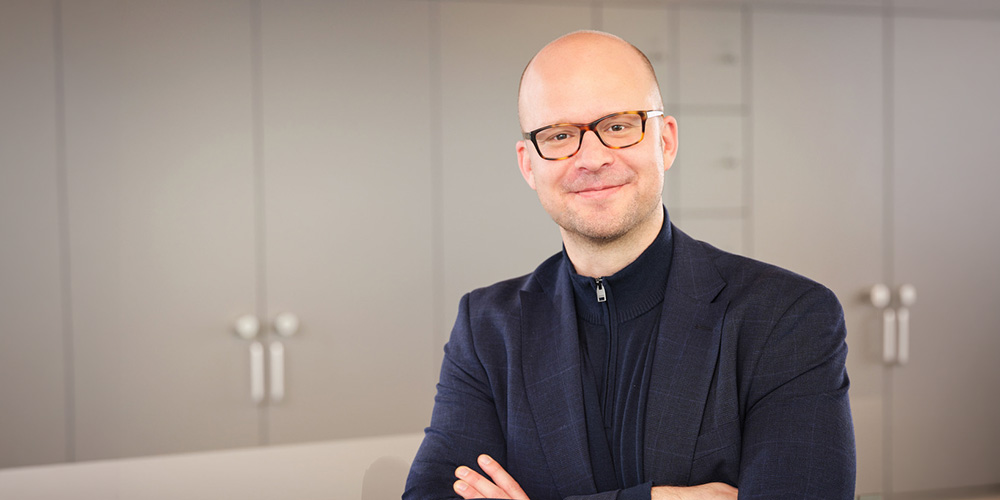
Prof. Dr. Burcu Tepekule is to become the new assistant professor of Paediatric Infectious and Emerging Diseases Modelling. The University Council has also promoted Prof. Dr. Alain Müller to associate professor.
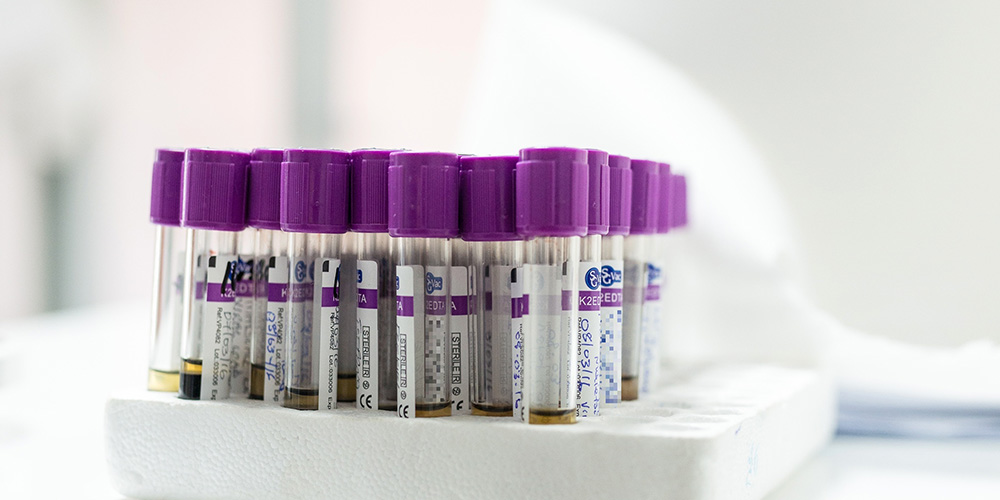
Globally, around 2.6 million children and adolescents are currently living with HIV, the majority of them in Africa. These young people are much more likely to experience treatment failure than adults. Experts long assumed that testing for viral drug resistance could improve treatment in cases where treatment has failed. However, a research team led by the University of Basel now shows that it is much more important to support the patients in taking their medication regularly.
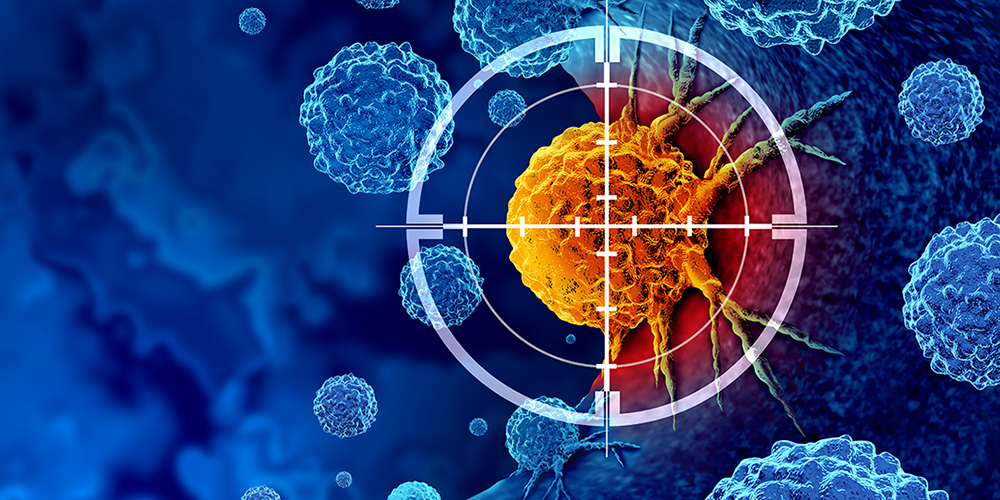
Researchers have developed an approach to “deleting” a blood system affected by leukemia while simultaneously building up a new, healthy system with donor blood stem cells. Writing in the journal Nature, the team reports on the promising results obtained in animal experiments and with human cells in the laboratory.
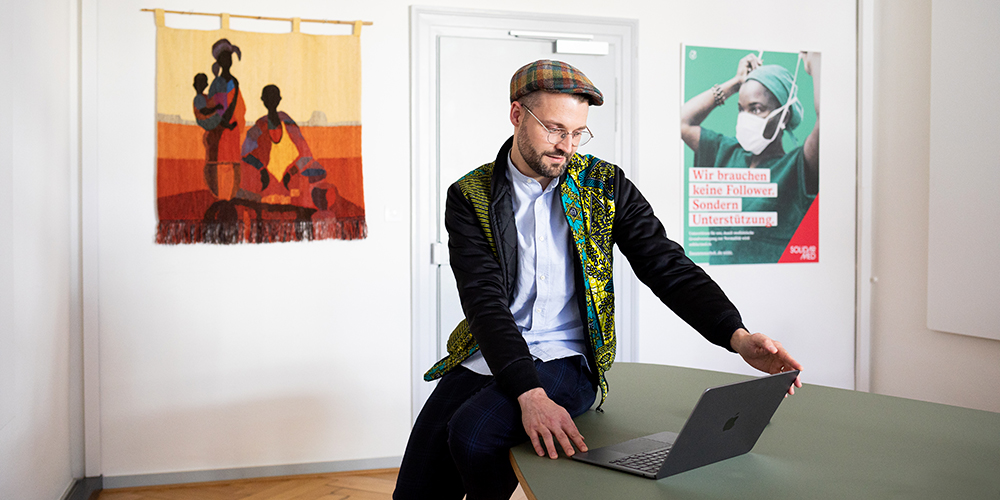
He conducts preventative health research in Lesotho, improves clinical research in Switzerland, and still manages to find time for his passion: music. As structured and focused as the epidemiologist and clinical researcher’s work is now, his career began almost by accident.
Receptor proteins serve as the “eyes and ears” of the cell. The largest receptor family are the so-called G protein-coupled receptors. They respond to highly diverse stimuli ranging from photons to hormones and odorants. Researchers at the University of Basel have discovered a unique recognition pattern that works like a barcode and tags the receptor for desensitization. By this mechanism, signaling in cells is rapidly switched off when it is no longer needed.

Adam Hearn is holding a copy of his doctoral thesis, though a doctorate wasn’t always on his horizon. For a long time, the 45-year-old rejected the idea of an academic career. As an academic, he is making the case for sustainable energy. And – with his personal commitments – demonstrating what each of us can do to reverse climate change.
The University Council has appointed Professor Niklaus Labhardt as professor of clinical epidemiology. In addition, two individuals were promoted to full professors and two professorships were approved at the Faculty of Medicine.
A large-scale study in the scientific journal Science reveals that the Epstein-Barr virus responsible for causing glandular fever is involved in the development of multiple sclerosis. Professor Jens Kuhle, who participated in the project, summarizes the results in an interview.
The data on viruses that Prof. Richard Neher at the Biozentrum, University of Basel, receives every day, gives him a precise overview of the development of the SARS-CoV-2 virus and the variant Omicron. Indeed, it is a huge amount of data, more than he and his team has ever had about any virus before. With the online platform Nextstrain, he and his team follow in real-time how the pathogen is spreading worldwide.