Translational Catalyzer
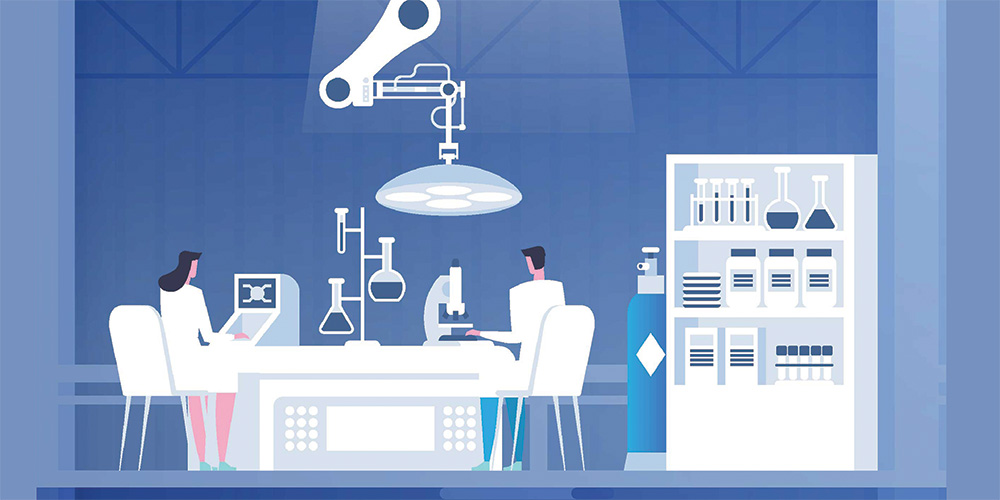
Innovation and new technologies are constantly developed within the research labs of the University of Basel and University Hospital Basel. Together with translational research labs, we coordinate and catalyze efforts to optimize processes, platforms and data integration / interface so that innovative non-routine analytics and decision support with high potential impact in healthcare can be performed and refined up to the point of full integration in the clinical routine.
Activities currently in the Translational Catalyzer:
- Personalized Drug Screening
A Personalized Drug Screening Platform has been established by the group of Prof. Mohamed Bentires-Alj at the Department of Biomedicine. Briefly, patient’s tumor-derived miniature three-dimensional tissue cultures (so called tumor organoids) are grown in the lab and used to test anti-cancer drugs (and combination of drugs) thus allowing the identification of the most personalized and efficacious treatment for an individual patient by testing a wide range of drugs directly on avatars of her/his tumor and providing this information to the oncologists and the tumor boards.
Here the in-depth tumor characterization beyond standard of care and the clinical and translational data interface/integration takes place, bringing treatment decision support for personalized therapies. This will be a direct link to personalized patient care, allowing new treatment opportunities for patients who have escaped standard of care therapies or for which several standard of care exist without a rationale for selection.
Contacts:
- E-Mail: Prof. Mohamed Bentires-Alj, PhD
- E-Mail: Charly Jehanno, PhD
- E-Mail: Shan Yang, PhD
-
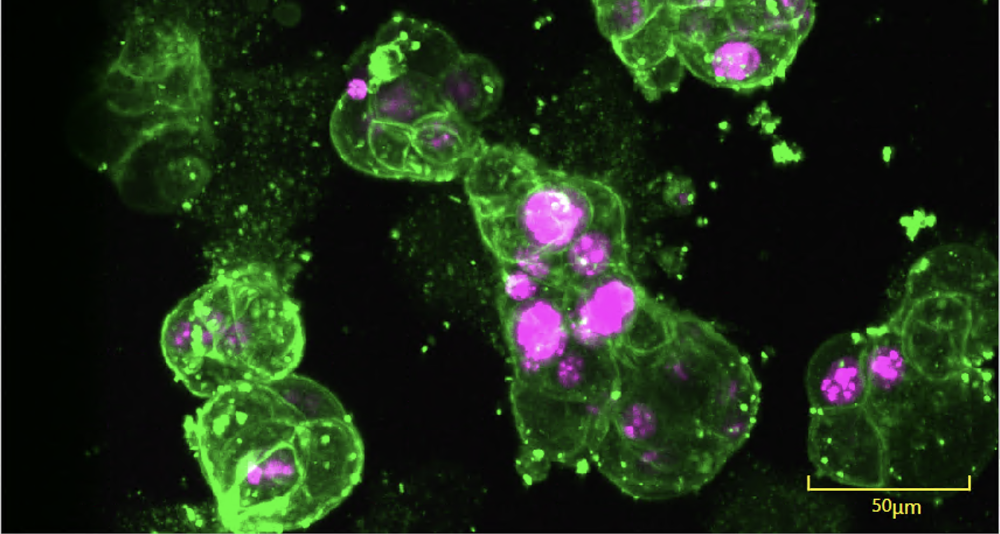 Immunostaining and fluorescence microscopy of breast tumor organoids shows dividing tumor cells (pink) and EpCAM (green), a cell adhesion molecule on the surface of the tumor cells. (Tumor Heterogeneity, Metastasis and Resistance - Bentires Lab, © University of Basel)link.zoom
 -
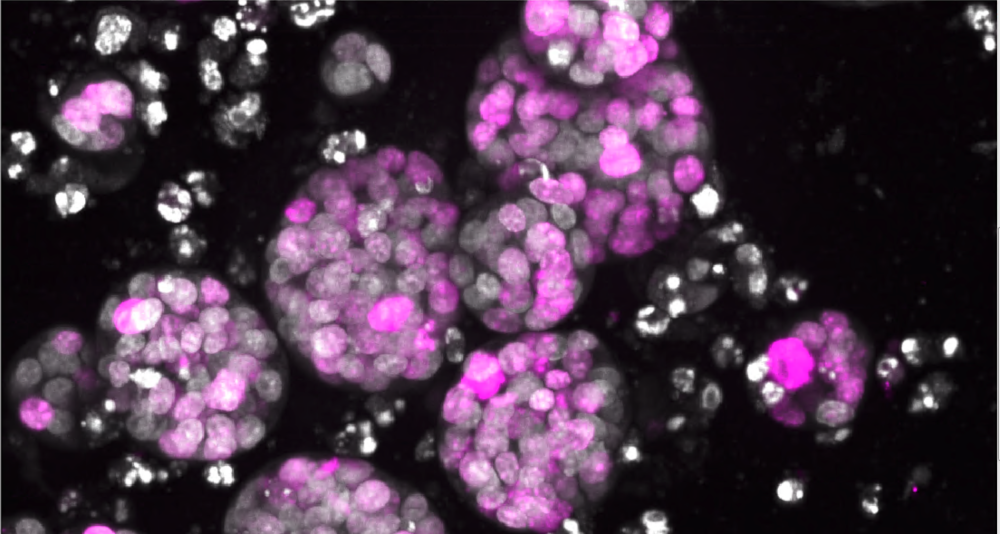 Immunostaining and fluorescence microcopy of breast tumor organoids, treated with a low concentration of chemotherapy, shows dividing tumor cells (pink) and their nuclei (grey). (Tumor Heterogeneity, Metastasis and Resistance - Bentires Lab, © University of Basel)link.zoom
 -
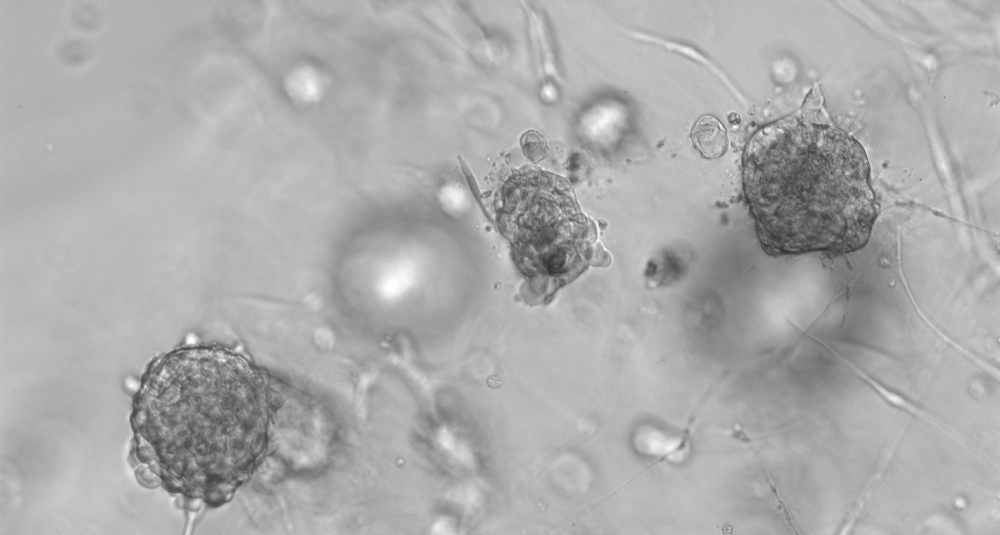 Ex vivo, 3D culture of breast tumor organoids derived from a tumor of a patient diagnosed with triple receptor negative breast cancer. Scale bar: 100 μm. (Tumor Heterogeneity, Metastasis and Resistance - Bentires Lab, © University of Basel)link.zoom
 -
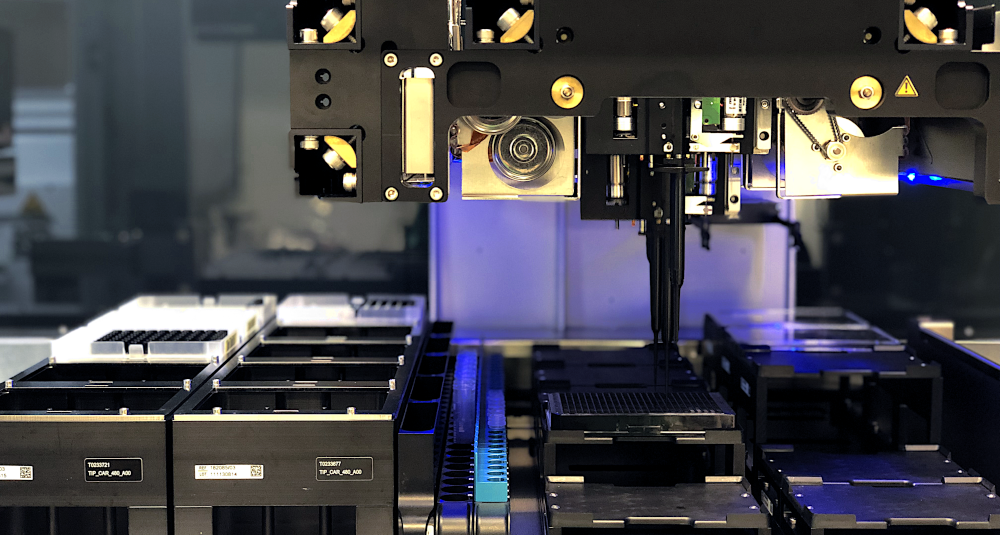 Personalised Drug Screening Platform (Cristina Golfieri - © University of Basel).link.zoom
 -
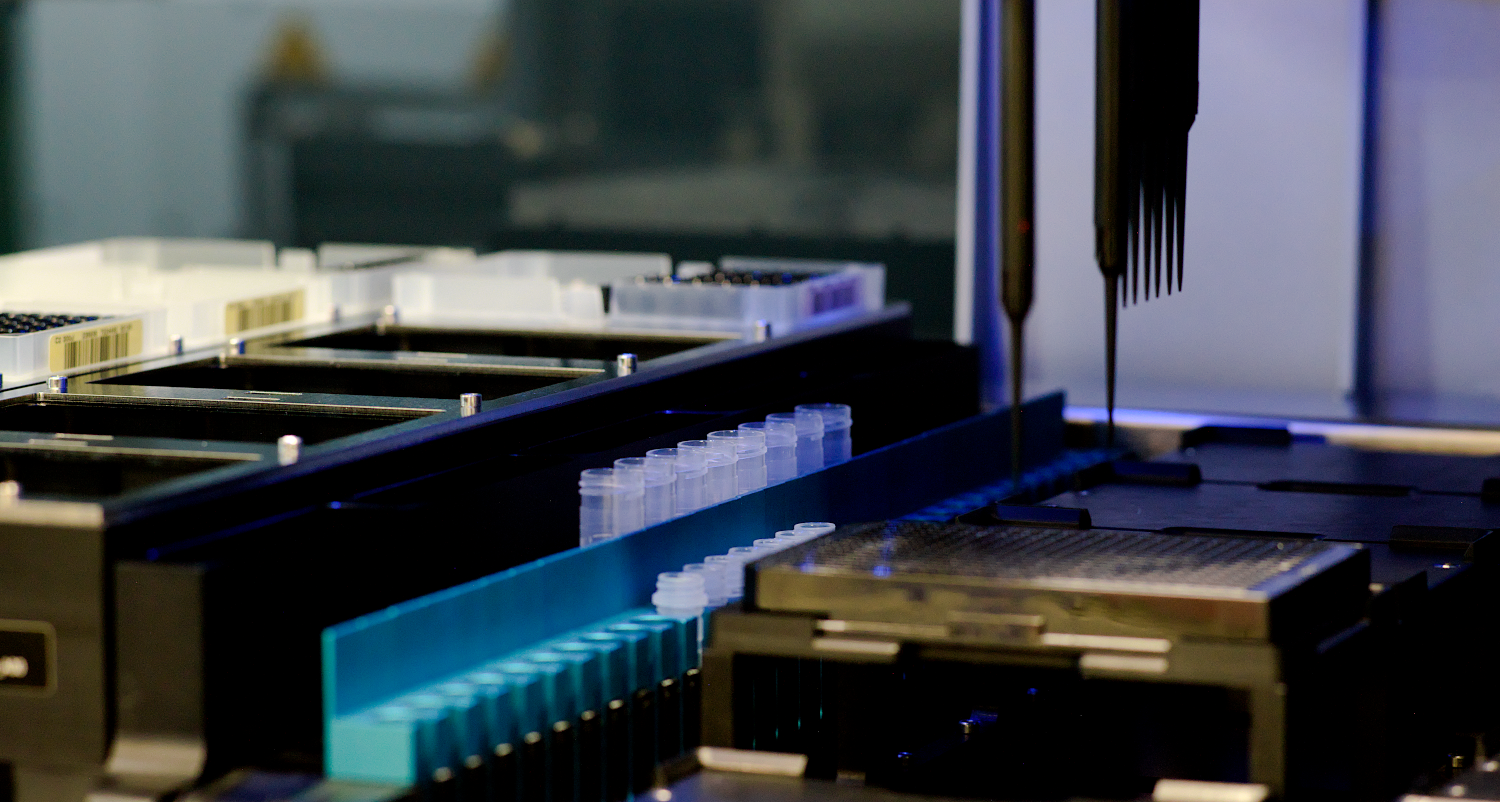 Personalised Drug Screening Platform (Raffaello Ferone - © University of Basel).link.zoom
- Personalized Approaches for Chronic Immune Diseases:
Multiple Sclerosis (MS):
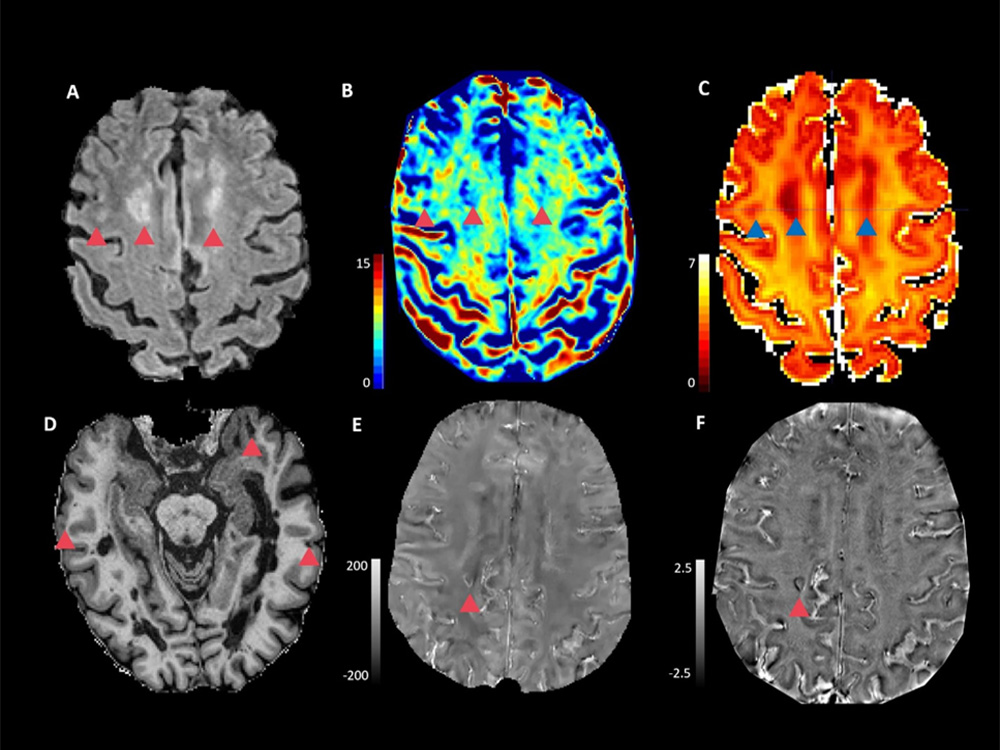
In close collaboration with DBE and RC2NB, imaging biomarkers and novel lab tests will be integrated to develop and validate digital biomarkers and innovative methods of information processing and artificial intelligence in the field of multiple sclerosis and other neuroimmunological diseases enabling personalized disease management and finding better therapies and treatment strategies.
In addition in the context of CLINNOVA, a structured and standardized data collection will be established and a federated imaging data sharing infrastructure will be built, tested, and deployed in this area.
Contacts:
- E-Mail: Prof. Cristina Granziera, MD PhD
- E-Mail: Siri Leemann, PhD
Inflammatory Bowel Disease (IBD):
IBD encompasses a group of inflammatory diseases affecting the gastrointestinal tract, having as major representatives Crohn’s disease (CD) and ulcerative colitis (UC). In the context of CLINNOVA, the CLINNOVA-IBD prospective study will provide a structured, and standardized, highly granular dataset that leverages existing procedures from related research projects, such as the Swiss IBD cohort study. Using the federated learning infrastructure established with the CLINNOVA MS Use Case, this study aims to identify clinical, epidemiological, and omics characteristics associated with IBD disease activity that trigger treatment changes in UC and CD patients. Additionally, it aims to enable the phenotyping of these patients based on similar patterns and disease courses.
Contacts:
- E-Mail: Prof. Jan Niess, MD PhD
- E-Mail: Siri Leemann, PhD
-
Contact information
Cristina Golfieri, PhD
PHB Manager
-
Contact information
Raffaello Ferone, PhD
PHB Industry Partnership Manager