UNI NOVA – Research Magazine of the University of Basel
-
 Dossier
The miraculous property of the Majorana fermion.
Text: Tim Schröder / Quantum computers of the future promise to outshine their conventional forebears with their powerful ability to perform arithmetic operations in parallel. The problem is that qubits, the building blocks of quantum mechanical memory, can still only store information for a short space of time.
-
 Dossier
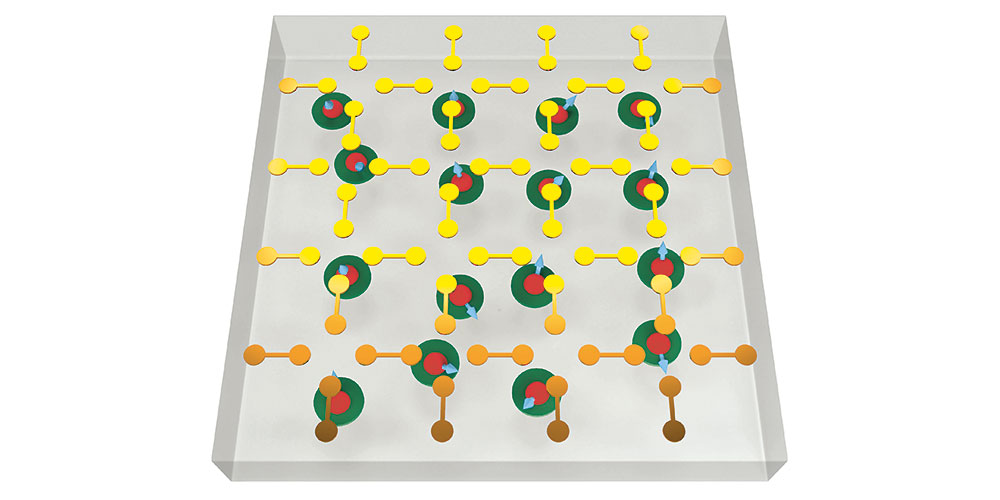
Silicon for the super computer.
Text: Leonid Leiva / Today’s modern computers rely on silicon chips. Researchers from Basel are convinced that this material will also prove its worth in the development of powerful quantum computers.
-
 Dossier
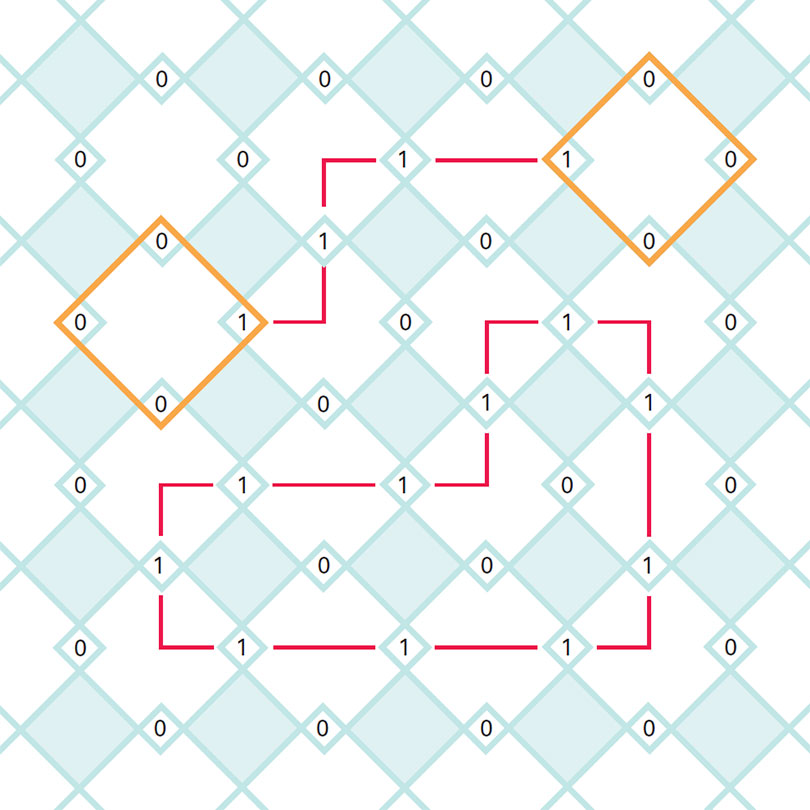
Computing in a chaotic world.
Text: Roland Wengenmayr / Quantum information is extremely fragile and can be disturbed by even the slightest interference. Error correction in a quantum computer will require highly sophisticated repair mechanisms. A glimpse into the mind of physicist James Wootton reveals what such mechanisms might look like.
-
 Dossier
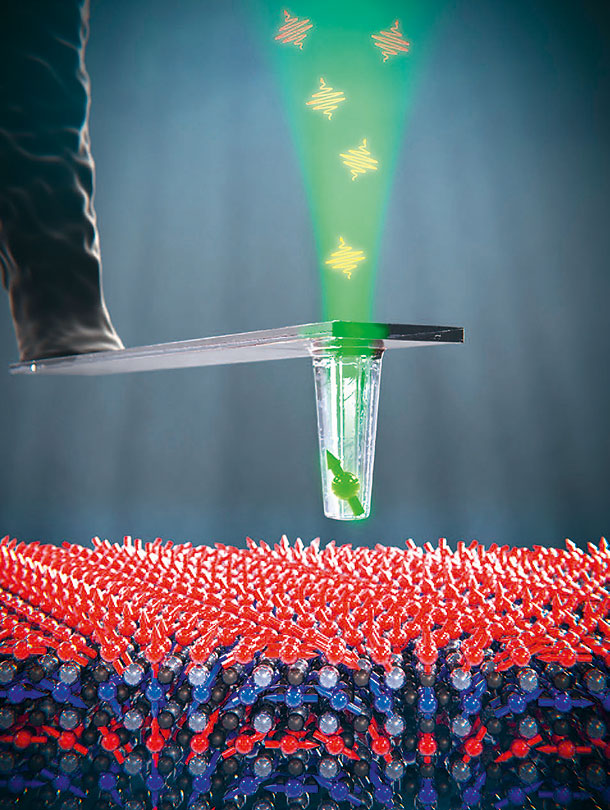
Quantum sensors revolutionize microscopy.
Text: Christel Möller / While quantum computers are still a thing of the future, the application of quantum-based sensors is already a reality. Physicists based in Basel have developed extremely sensitive sensors that are able to provide images at an unprecedented resolution.
-
 In conversation
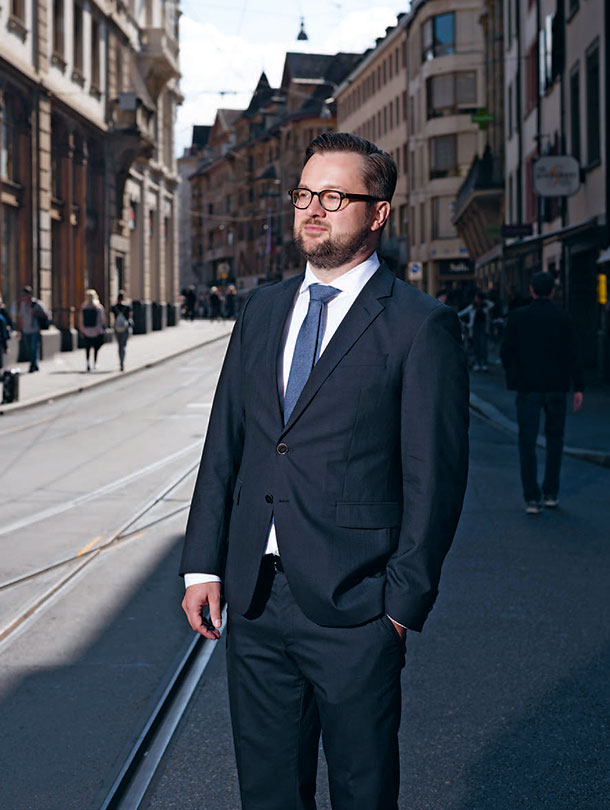
“We live in a class society.”
Interview: Urs Hafner / The sociologist Oliver Nachtwey thinks people should argue openly about their different economic interests and believes that the class society has never ended.
-
 Opinion
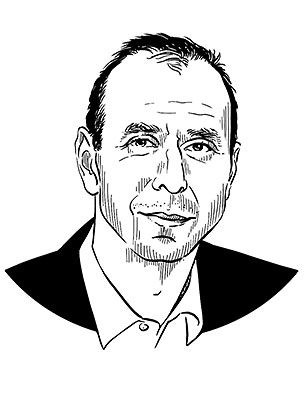
How precise are the sciences, Tobias Straumann?
Text: Tobias Straumann / The humanities and natural sciences differ fundamentally on the issue of how to depict the world accurately. They also deal with the problem of imprecise findings in different ways.
-
 Opinion
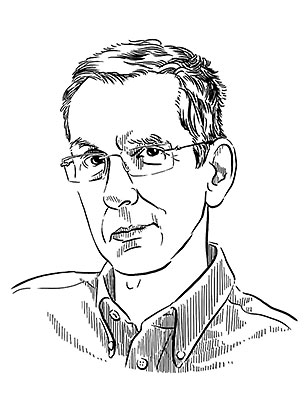
How precise are the sciences, Dieter Ebert?
Text: Dieter Ebert / The humanities and natural sciences differ fundamentally on the issue of how to depict the world accurately. They also deal with the problem of imprecise findings in different ways.
-
 Research
Using stem cells to combat cerebral palsy.
Text: Irène Dietschi / Cerebral palsy is a physical disability caused by brain damage in early infancy. Raphael Guzman explores the potential of using stem cells to treat this paralysis of the brain in his laboratory at the Department of Biomedicine. In the future, the neurosurgeon hopes to be able to help affected children shortly after birth.
-
 Research
How snowflakes are formed.
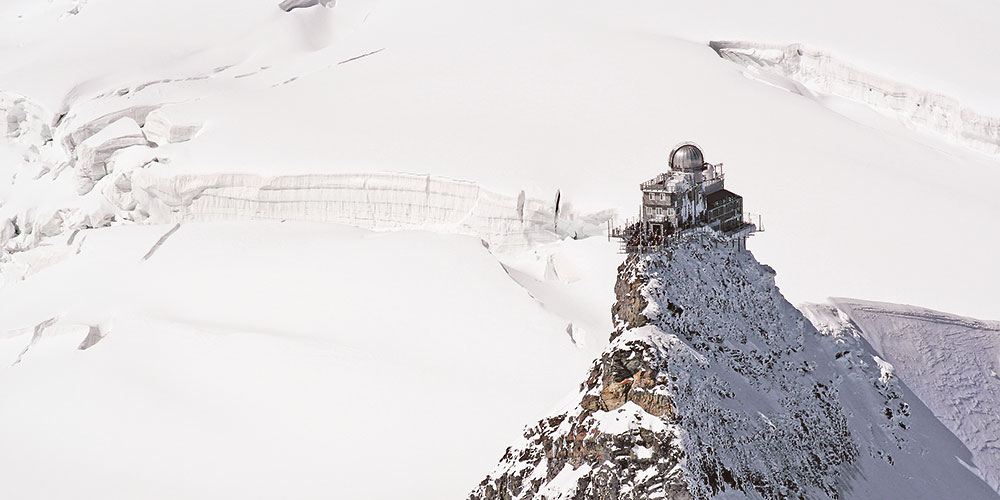
Text: Yvonne Vahlensieck / Cold temperatures alone are not enough: for snowflakes to form, biological particles are often needed to act as ice nuclei. It is precisely these particles that Basel-based environmental scientists are researching on the Jungfraujoch glacier saddle and in the most northern part of Norway.