The University of Basel has received a grant for two new National Centers of Competence in Research (NCCR), focusing on antibiotic research and quantum technology. The federal government is providing total funding of CHF 34 million for the two programs in the first funding phase to 2024, bringing the number of NCCRs with the University of Basel as their “leading house” up to three.
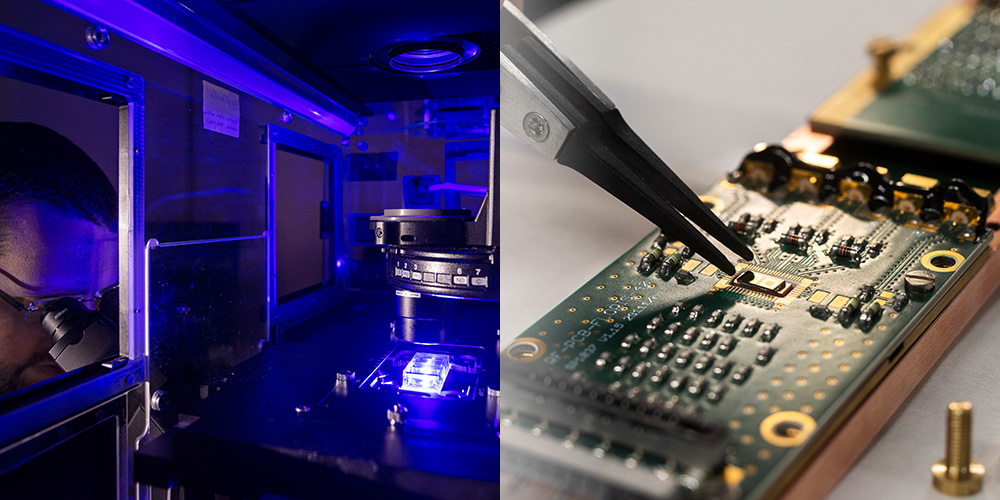
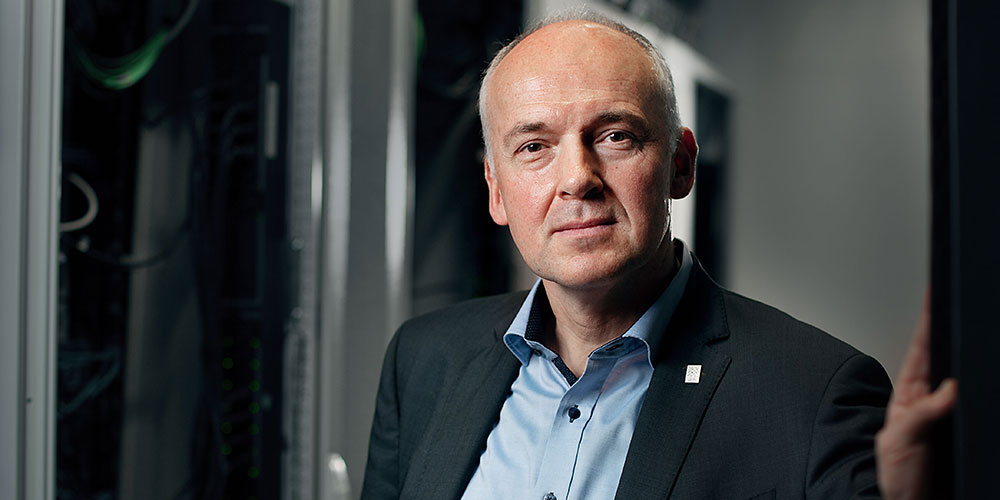
In the call for proposals for National Centers of Competence in Research (NCCRs), the University of Basel put forward two projects – and both have been given the green light. The Biozentrum and the Department of Physics are the leading houses for these major initiatives. Vice President Torsten Schwede talks about the preparations that led to this successful outcome, and about the long-term goals of the two projects.
Children in low- and middle-income countries are receiving an average of 25 antibiotic prescriptions during their first five years of life. This excessive amount could harm the children’s ability to fight pathogens as well as increase antibiotic resistance worldwide, according to researchers from the Swiss Tropical and Public Health Institute (Swiss TPH) and Harvard T.H. Chan School of Public Health.

Marek Basler, Professor of Infection Biology at the University of Basel’s Biozentrum, is one of three scientists to be awarded this year’s Sanofi-Institut Pasteur International Junior Award. The award honors his research on a bacterial injection apparatus, which plays a role in infectious diseases as well as in shaping the composition of bacterial communities.
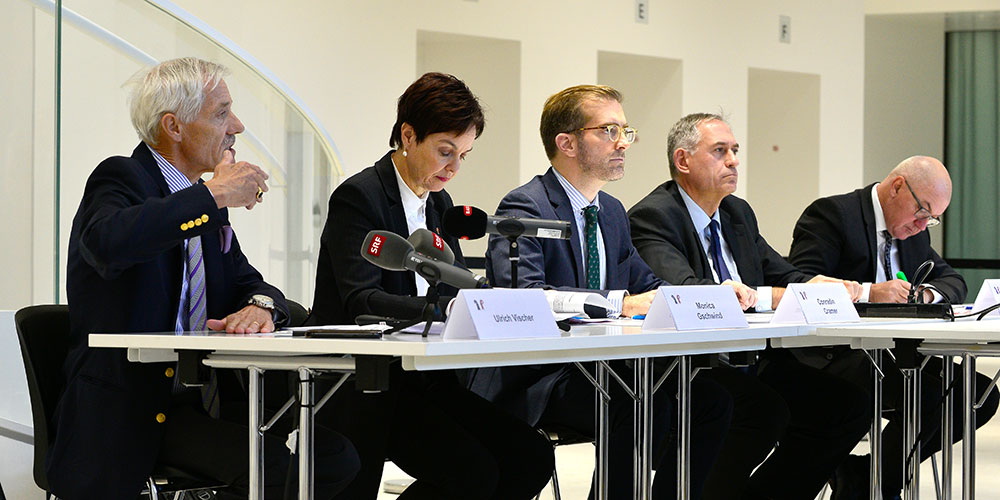
This afternoon, the governments of the supporting cantons of Basel-Stadt and Basel-Landschaft gave an update on the new Biozentrum building. Due to a number of exceptional events, the complexity of construction and inadequate performance by the contracted companies, the overall project costs are expected to be around CHF 70 to 110 million greater than originally planned.
Three researchers from the University of Basel receive one of the coveted ERC Consolidator Grants from the European Research Council (ERC). The funded projects come from the Biozentrum, Chemistry and Physics departments and will receive a total of 6.7 million Euros over five years.
Chaperone proteins in human cells dynamically interact with the protein α-Synuclein, which is strongly associated with Parkinson’s disease. A disturbed relationship to these “bodyguards” leads to cell damage and the formation of Lewy bodies typical for Parkinson’s disease.
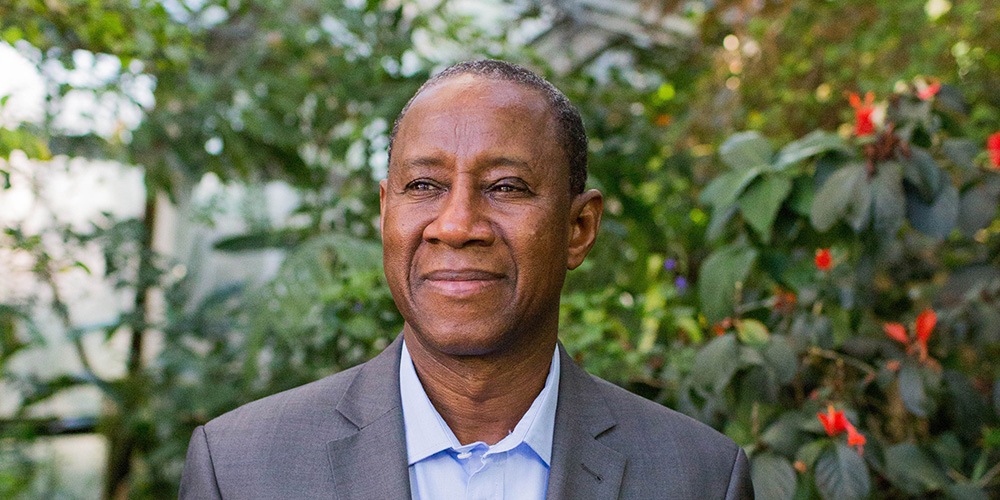
Climate change not only affects the environment, but also has significant consequences on global health. Prof. Guéladio Cissé of the Swiss Tropical and Public Health Institute (Swiss TPH) explains where we stand, and what we can do to address these consequences. He is a co-organizer of the 2-day Swiss TPH Symposium “Climate Change and Health”, which starts this Thursday.
Health apps could be better tailored to the individual needs of patients. A new statistical technique from the field of machine learning is now making it possible to predict the success of smartphone-based interventions more accurately. These are the findings of an international research team led by the University of Basel and reported in the Journal of Affective Disorders.