

The University Council has promoted three professors at the University of Basel. It has also approved an adjunct professorship, while the Senate has granted five researchers the Venia docendi.
State elections are coming up in eastern Germany in September. According to polls, the AfD is set to emerge as the largest party. Keeping the right-wing party out of government in Saxony-Anhalt and Mecklenburg-Western Pomerania would likely require an unusually broad coalition. That poses a challenge for the other parties, says political scientist Sophie Suda.
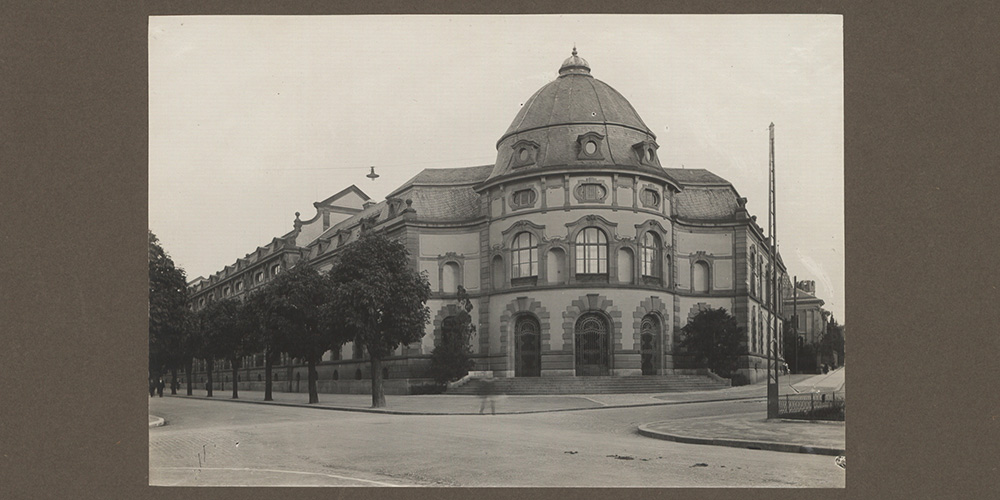
As World War II drew closer, the University Library Basel (UB) moved valuable holdings to safety and took precautions against bombing and espionage. Noah Regenass, Head of Historical Collections, examined the relevant archival sources and also uncovered contradictions in the library’s operations at the time.
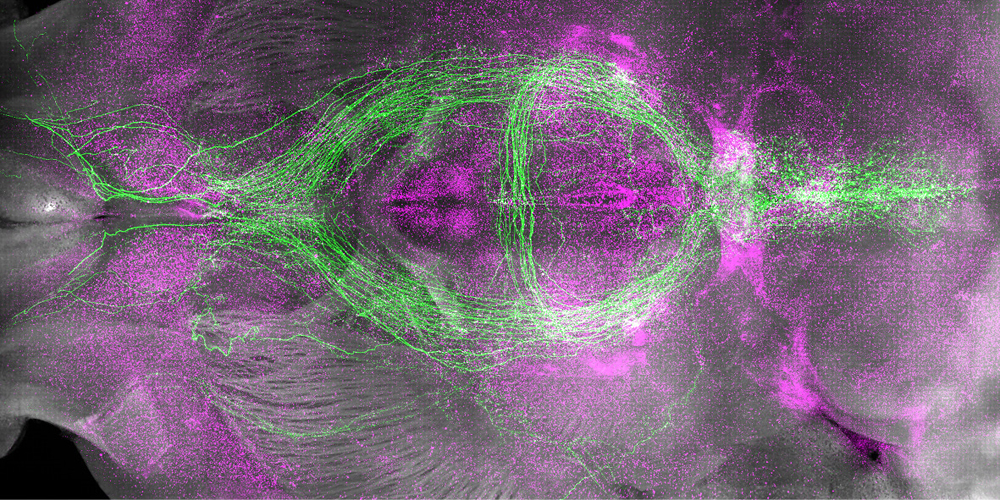
Why does staying awake inevitably make us sleepy? Researchers at the University of Basel have identified neuronal populations in the brain of mice that become activated during prolonged wakefulness and are crucial for sleep drive. Their findings provide new insights on how the brain generates the need for sleep.
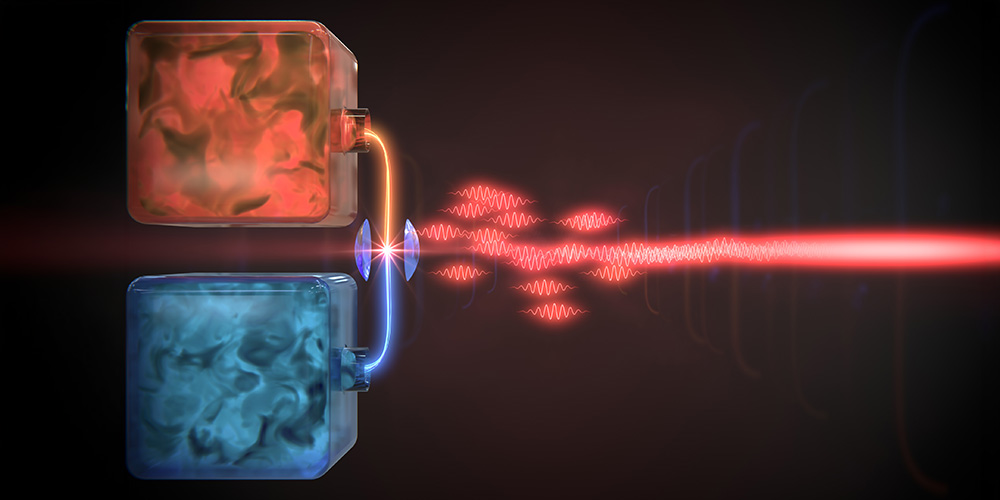
What is heat, and what is useful work if a machine consists only of an atom and light particles? In modern quantum technologies, this kind of question connects thermodynamics with quantum physics. Researchers at the University of Basel have developed a theoretical approach that can reconcile both theories.
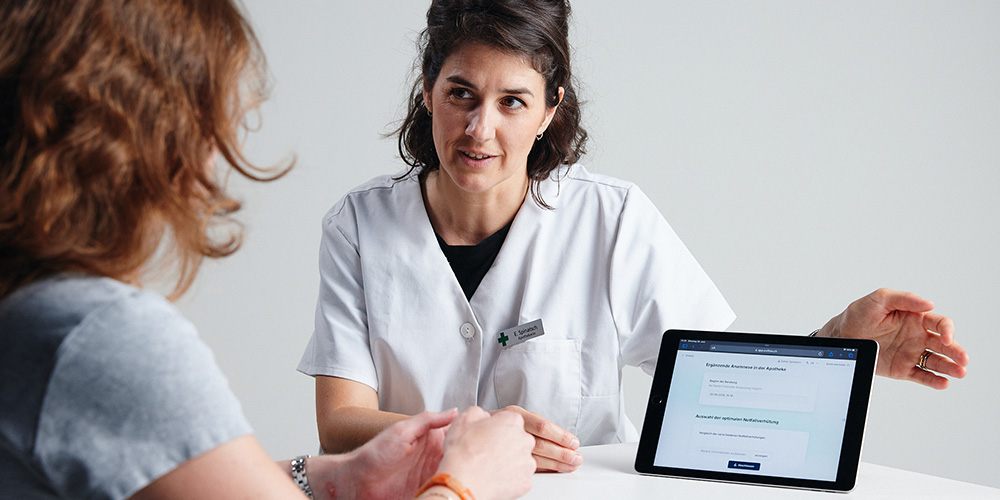
Forgot to take your pill or did your condom break? For situations like these, there is the “morning-after pill”. A tool that emerged from a research project at the University of Basel is designed to make conversations between pharmacy staff and customers as comfortable as possible and help them make the best possible decision.
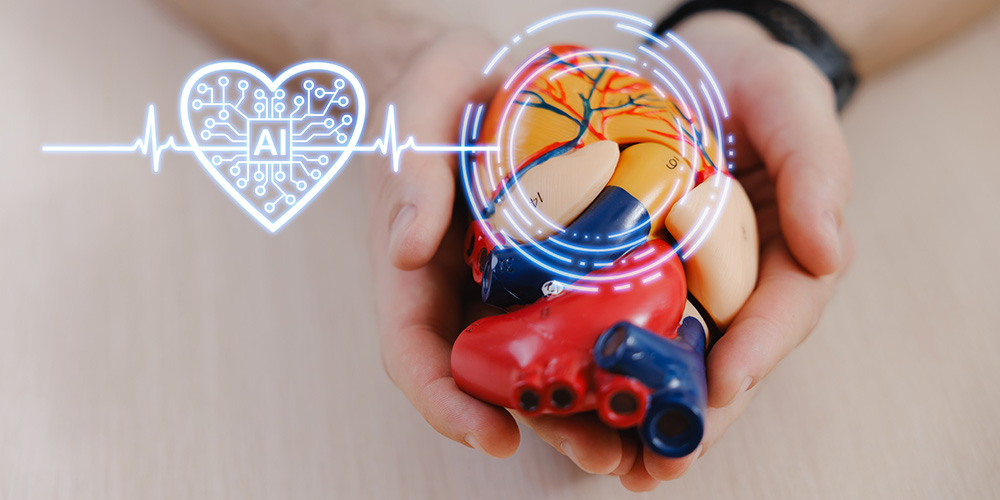
A new EU strategy is placing greater emphasis on artificial intelligence in the management of heart disease. Legal researcher Hannah van Kolfschooten believes this is premature. Among other things, she criticizes the fact that no concrete benefit for patients has yet been demonstrated and that there are gaps in the legislation.
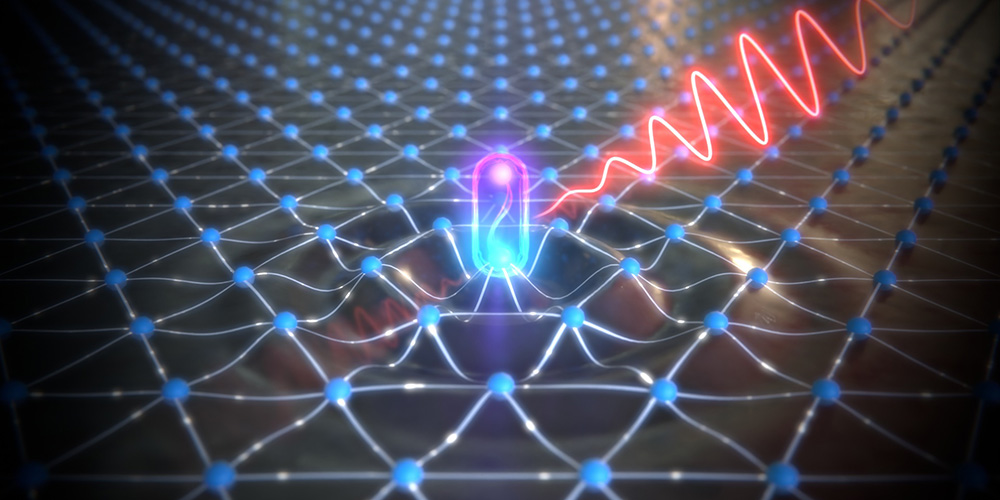
Researchers at the University of Basel and the Technical University of Munich have developed a new method to reveal the collective motion of electrons in one of the most elusive states of matter: the Wigner crystal.
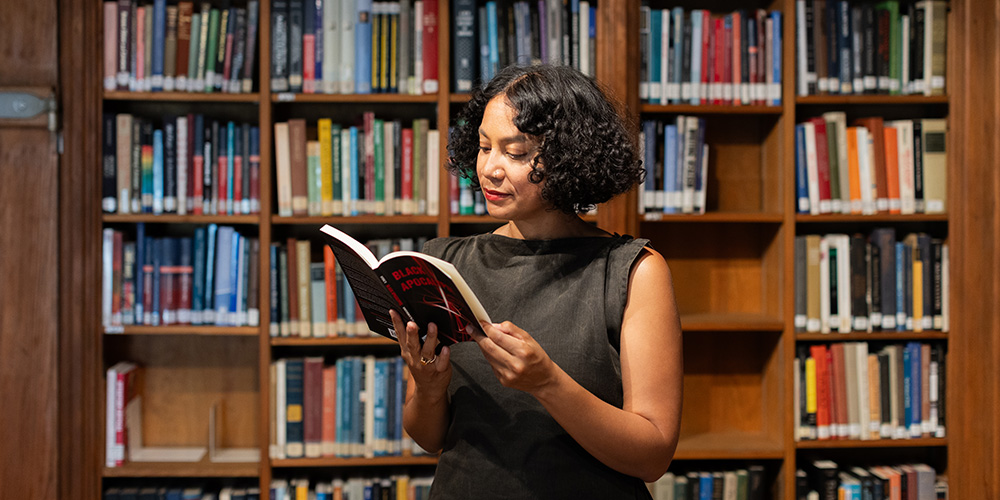
Sindi-Leigh McBride investigates the work of making a living, making a life, and where the two intersect in changing climates, looking to novels and films for visions of the future in a world undergoing profound change.