

-
02 Nov 2026
17:15 - 18:15Universität Basel, Pharmazentrum, Klingelbergstrasse 50, 4056 Basel
Medicine & Health
Psychedelic Science: Title to be announcedÖffentliche Ringvorlesung: Psychedelic Science Fall Semester 2026
Bild: zVg Mit Johannes Jungwirt
Organizer:
Parab - Psychedelic Awareness & Research Association BaselExport events asiCal
-
02 Nov 2026
18:15Allgemeine Lesegesellschaft, Münsterplatz 8, 4051 Basel
-
03 Nov 2026
18:15 - 19:45Universität Basel, Kollegienhaus, Petersplatz 1, 4051 Basel, Hörsaal 115
Interdisciplinary
„Was kümmert dich, Natur, des Menschen Los?“ (Kaschnitz) Einspruch gegen die Vergöttlichung der NaturÖffentliche Ringvorlesung von Dr. Beatrice Acklin Zimmermann, Thinktank LiberEthica, Bern, im Rahmen der Ringvorlesung "Falsche Götter / False Gods"

Bild: zVg Die öffentliche Ringvorlesung “Falsche Götter” ist in das Rahmenprogramm der Oper „Moses und Aron“ von Arnold Schönberg eingebettet, die an den Theatern Basel und Freiburg i. Br. im Herbst 2026 und im Frühjahr 2027 aufgeführt wird. Inspiriert von der zentralen Bedeutung des Goldenen Kalbes als Ursache kollektiver Exzesse in der Oper, wird der Leitbegriff „Falsche Götter“ aus unterschiedlichen Perspektiven beleuchtet.
Die 13 Vorträge verbinden Beiträge aus Theologie und Religionswissenschaft mit soziologischen, wirtschaftswissenschaftlichen und demokratietheoretischen Ansätzen sowie aktuellen Fragestellungen, etwa zur Rolle künstlicher Intelligenz als Projektionsfläche quasi-religiöser Erwartungen. Die Veranstaltung behandelt Formen und Inhalte von Sakralisierung und deren gesellschaftliche, politische und technologische Konsequenzen im 21. Jahrhundert.
Studierende und Interessierte profitieren von der Möglichkeit, unterschiedliche wissenschaftliche Perspektiven vergleichend zu erschliessen, diese kritisch zu reflektieren und eigenständig zu synthetisieren.
Veranstalter/in: Prof. Dr. Alfred Bodenheimer und Judith Beckschäfer
Diese Ringvorlesung ist Teil von „Auf in die Wüste“, einem umfangreichen Diskurs-, Begegnungs- und Rahmenprogramm, das die Aufführungen der Oper "Moses und Aron" von Arnold Schönberg an den Theatern Basel und Freiburg i. Br. begleitet und ergänzt.Organizer:
Universität Basel, Zentrum für Jüdische StudienExport events asiCal
-
03 Nov 2026
18:15Kollegienhaus der Universität Basel, Petersplatz 1, 4051 Basel, Aula
Interdisciplinary
Superbia generis humani - Gegen den AnthropozentrismusÖffentliche Vorlesung von Prof. em. Dr. Michael Hampe, emeritierter Professor für theoretische Philosophie der ETH Zürich, Erskine Fellow an der Universität Canterbury, in Christchurch Neuseeland, Mercator Fellow an der Universität Bremen in Deutschland, im Rahmen der 62. Aeneas-Silvius-Vorlesung
.dd54ef060a61faa8a7a7d40d51174eb3.jpg "Portrait von Spinoza")
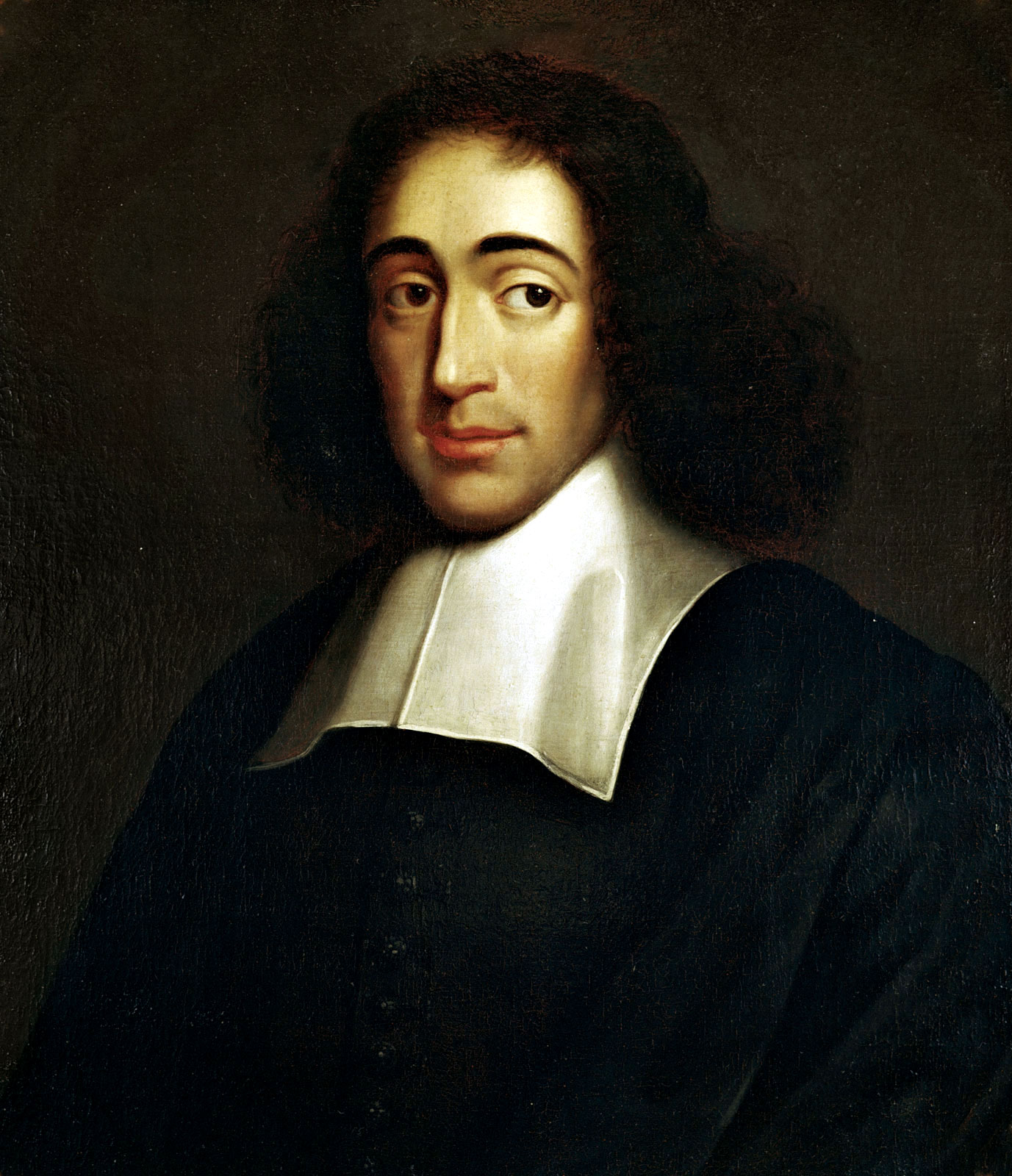
Porträt des Philosophen Benedictus de Spinoza, Ölgemälde um 1665, im Besitz der Gemäldesammlung der Herzog August Bibliothek in Wolfenbüttel (Bild: Wikipedia) Spinoza hat in seiner «Ethik» von 1677 den Menschen als Teil der Natur beschrieben. Wir stehen ihr nicht gegenüber, weder als Betrachter noch als «Nutzer». Diese Sicht der menschlichen Stellung in der Welt hat sich nicht durchgesetzt. Aber sie hat Wirkungen in der so genannten «Tiefenökologie» bei dem Norwegischen Philosophen Arne Naess gezeitigt. Der Vortrag geht den Konsequenzen nach, die die Umstellung eines menschlichen Selbstverständnisses auf das Spinozistische hätte: Von der hochmütigen Sicht eines vermeintlichen animal rationale als «Krone der Schöpfung» zu der demütigen als eines abhängigen Wesens, dessen Lebenszeit als Individuum und als Gattung begrenzt ist und das beides nicht recht versteht oder, wenn es diese Tatsachen der Endlichkeit doch ein wenig zu verstehen scheint, nicht in der Lage ist, sich mit ihnen abzufinden.
Begrüssung: Prof. em. Dr. Maarten J.F.M. Hoenen, Vizerektor emeritus Lehre an der Universität Basel
Im Anschluss an die Vorlesung besteht bei einem Apéro im Foyer der Universität im Kollegienhaus die Möglichkeit zur weiteren Diskussion über das Thema. Alle teilnehmenden Personen sind dazu vom Rektorat der Universität herzlich eingeladen.
Die Aeneas-Silvius-Stiftung bezweckt seit 1960 die Organisation und Durchführung einer jährlich einmal stattfindenden öffentlichen Vorlesung innerhalb der Universität Basel durch eine hervorragende Wissenschaftlerin bzw. einen hervorragenden Wissenschaftler und deren Publikation in angemessener Form. Die Vorlesungen sollen Themen aus dem Spannungsfeld zwischen Religion, Ethik, Wissenschaft, Gesellschaft, Kirche und der Universität behandeln. Die Aeneas-Silvius-Stiftung will den Impuls in Lehre und Forschung der Universität Basel verstärken. Sie organisiert daher seit 2011 zusätzlich zur Vorlesung eine interdisziplinäre Ringvorlesung an der Universität Basel sowie für Lehrende und Studierende ein interdisziplinäres Seminar zum Jahresthema.
Organizer:
Aeneas-Silvius-StiftungExport events asiCal
-
04 Nov 2026
16:00 - 18:00Universität Basel, Kollegienhaus, Petersplatz 1, 4051 Basel, Hörsaal 102
Society & Culture
Das Einsiedler Welttheater nach Calderón: Hürlimann, Krohn, BärfussÖffentlicher Vortrag von Prof. Dr. Jürgen Barkhoff (Trinity College Dublin) im Rahmen der Ringvorlesung «Literaturen der Schweiz»
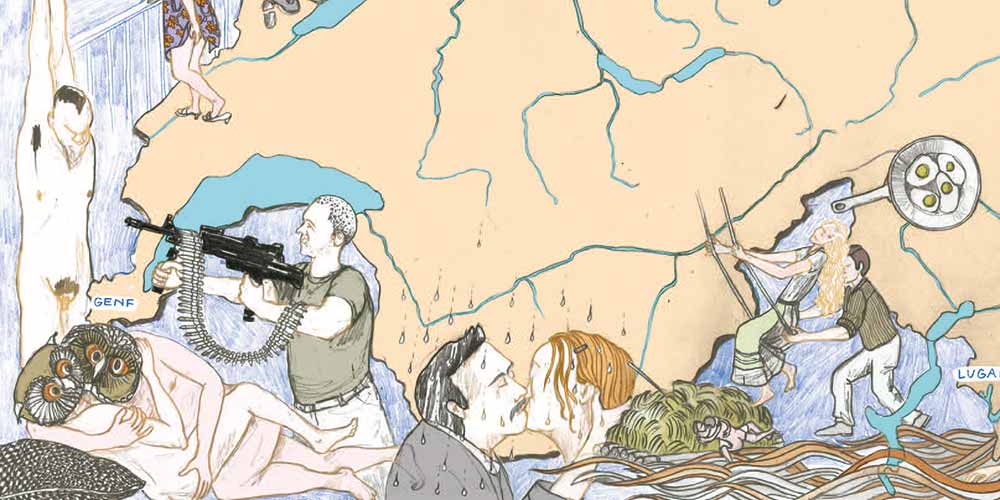
(Illustration: Yvonne Rogenmoser) Die Schweiz ist ein Land vieler Sprachen, Kulturen und literarischer Traditionen. Die Ringvorlesung beleuchtet diese Vielfalt aus einer interphilologischen Perspektive und lädt dazu ein, bekannte und weniger bekannte Literaturen der Schweiz neu zu entdecken.
Die geographische Lage der Schweiz zwischen grossen europäischen Sprachräumen und ihre Geschichte als Transit-, Migrations- und zugleich Rückzugsraum haben ihre Literaturen geprägt. Zur sprachlichen Vielfalt gehören neben Deutsch, Französisch, Italienisch und Rätoromanisch auch die zahlreichen Formen des Schweizerdeutschen. Hinzu kommt eine bedeutende postmigrantische Literatur, in der mehrfache Sprach- und Kulturbindungen zum Ausdruck kommen.
Auch international renommierte Autorinnen und Autoren fanden in der Schweiz zeitweise Zuflucht oder eine Wahlheimat – von Jean-Jacques Rousseau und Mary Shelley über Hermann Hesse, Thomas Mann und Vladimir Nabokov bis zu Patricia Highsmith und Donna Leon.
Die Ringvorlesung erkundet diese historische und kulturelle Spannweite exemplarisch. Die interphilologische Perspektive soll etablierte Kanonisierungsmuster aufbrechen und den Blick für die ästhetische Vielfalt und «Ungleichzeitigkeit» literarischer Entwicklungen schärfen. Zugleich versteht sich die Reihe als Einladung zu neuen Entdeckungen und Lektüren.
Die Vorlesungsreihe wird durch die Freiwillige Akademische Gesellschaft Basel gefördert.
Organizer:
Departement Sprach- und LiteraturwissenschaftenExport events asiCal
-
04 Nov 2026
18:30Kollegienhaus, Petersplatz 1, 4051 Basel, Hörsaal 102
Interdisciplinary
Freiheit des Denkens. Castellio in BaselÖffentliche Vernissage neuer Castellio-Bücher und Preisverleihung Kreativwettbewerb
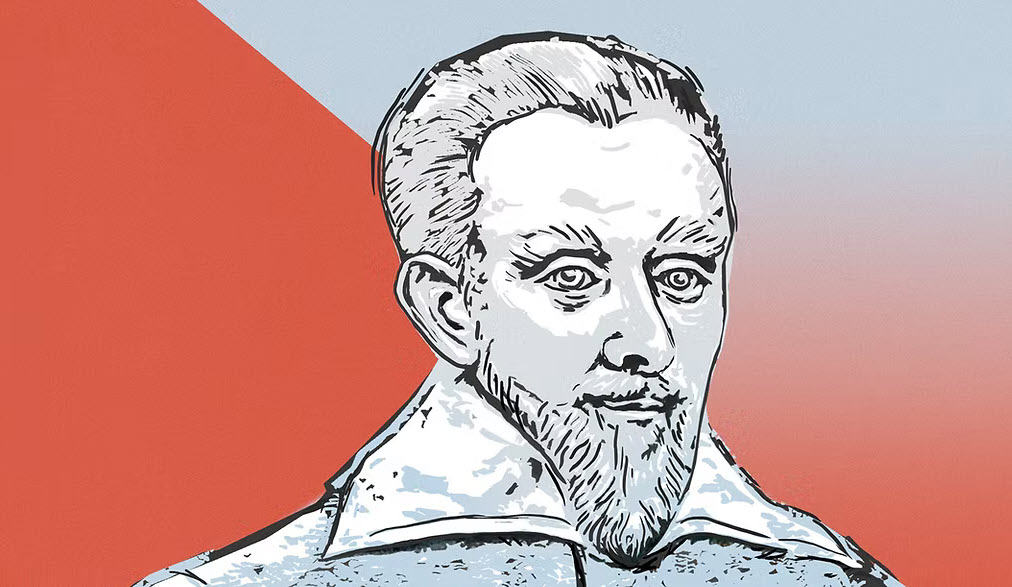
Sebastian Castellio (1515–1563), Humanist, Theologe und einer der ersten Toleranzdenker, der konsequent für Gewissens- und Glaubensfreiheit eintrat. Bild. zVg Am Anlass werden drei bedeutende Neuerscheinungen präsentiert:
- Das «Castellio-Lesebuch» mit einem Geleitwort von Bernhard Vischer und Beiträgen international renommierter Castellio-Forscherinnen und -Forscher: Dr. Christine Christ-von Wedel, Dr. Matthias Dall‘Asta, Dr. Peter Litwan, Prof. Dr. Barbara Mahlmann-Bauer, Dr. Mikkel Mangold, Dr. Uwe Plath, Dr. Stefania Salvadori, Prof. Dr. Ueli Zahnd.
- Die Monographie «Sebastian Castellio zwischen Mittelalter, Reformation und Humanismus. Eine Darstellung seiner Toleranzideen im Dialog mit Figuren des Basler Münsters» von Dr. Christine Christ-von Wedel.
- Rekonstruktion des lateinischen Originaltextes mit deutscher Übersetzung von «De haereticis non puniendis – Ketzer dürfen nicht bestraft werden» von Dr. Uwe Plath (Castellio-Preisträger 2026).
- Grusswort: 1. Vizepräsidentin des Nationalrats Katja Christ
- Laudationes: Dr. Noah Regenass
- Musik: ReRenaissance
Mit anschliessendem Umtrunk
Export events asiCal
Report events
The University of Basel calendar lists events offered by the University of Basel, its numerous units, and accredited student organizations and associated institutions. They address a larger audience, are public and open to all. As a rule, admission is free.
You can also have your event listed in the Calendar of Events, provided it meets the above criteria. To do so, send the title, short text, time, place, organizer, link to website and, if available, photo (JPG) and program flyer (PDF) to E-Mail: agenda@unibas.ch