
UNI NOVA – Research Magazine of the University of Basel
-
 Alumni
Team leader at swisstopo.
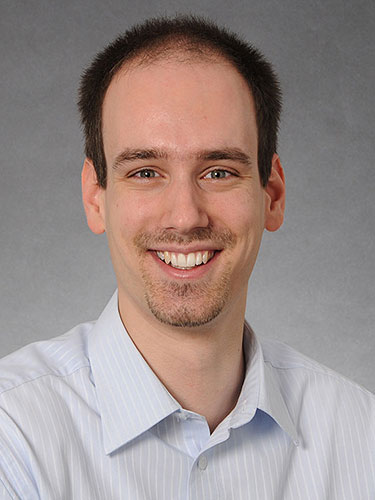
Interview: Bettina Huber / Tobias Providoli studied geography at the University of Basel and works for the Federal Office of Topography (swisstopo) in Wabern near Bern. He now leads a production team working on the topographic landscape model (TLM) and is also involved in AlumniGeo.
-
 Alumni
Launch of AlumniPharmazie.
Text: Bettina Volz-Tobler / AlumniPharmazie, a new specialist alumni organization that is long overdue, will be launched at the alumni general assembly in June 2020. This process has been driven by the executive board of the Basel Pharmaceutical Society (Pharmazeutische Gesellschaft Basel), which has been around for almost 100 years.
-
 Alumni
The memoirs of Dieter Imboden.
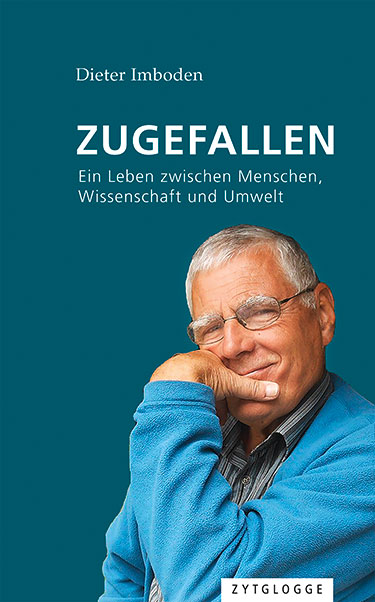
Dieter Imboden, an environmental researcher and political scientist who spent much of his childhood in Basel, is a past winner of the Alumni Award. He recently published his autobiography.
-
 Alumni
An ambassador for German scholarship.
Thomas Maissen studied history, Latin and philosophy at the University of Basel. Today, he is the Director of the German Historical Institute in Paris.
-
 Column
Against extremism.
Text: Sandra Schlumpf-Thurnherr / My book: The Spanish Linguist Prof. Sandra Schlumpf-Thurnherr recommends the epistolary novel "Address unknown" by the american writer Kathrine Kressmann Taylor, published in 1938.
-
 Dossier
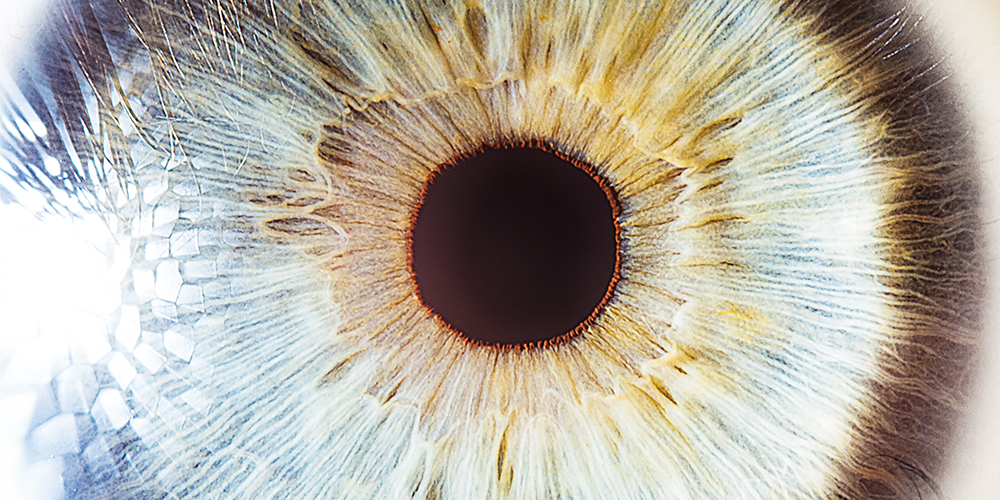
Advancing vision research.
Text: Botond Roska und Hendrik Scholl / The development of new treatments for patients suffering from vision impairments worldwide is the focus of a group of research teams at the new Institute for Molecular and Clinical Ophthalmology Basel (IOB), which is affiliated with the University of Basel, helping to enhance the university’s international reputation.
-
 Dossier
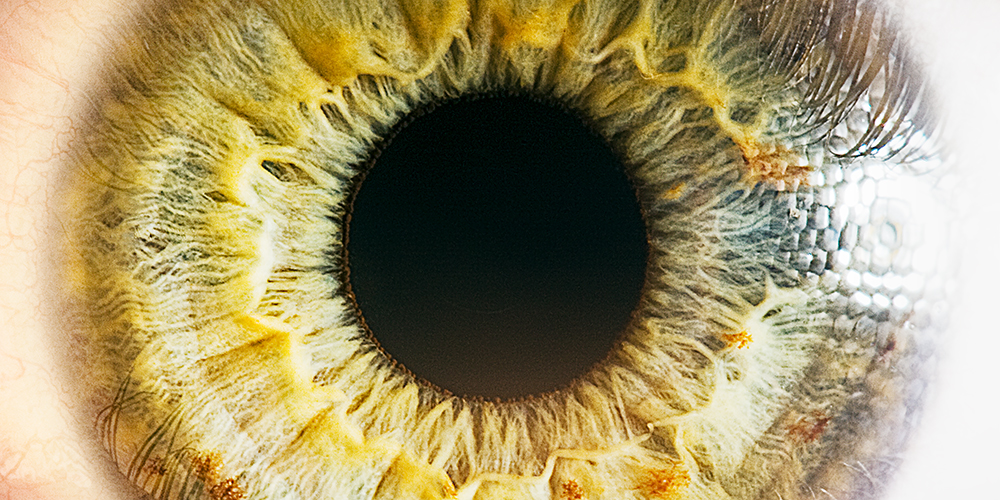
Collecting knowledge to combat eye diseases.
Text: Martin Hicklin / Researchers in Basel are investigating treatments for various eye diseases. Botond Roska is focusing on the retina through a series of experiments as well as exploring potential gene therapies.
-
 Dossier
New retinal tissue from skin samples.
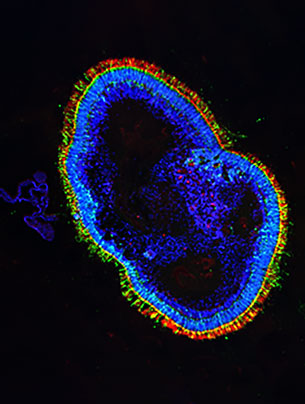
Text: Christoph Dieffenbacher / To better understand certain eye diseases, researchers are recreating human retinas in the lab. To accomplish this, they create tissue cultures known as organoids from human skin and blood cells.
-
 Dossier
Eyesight thanks to gene therapy.
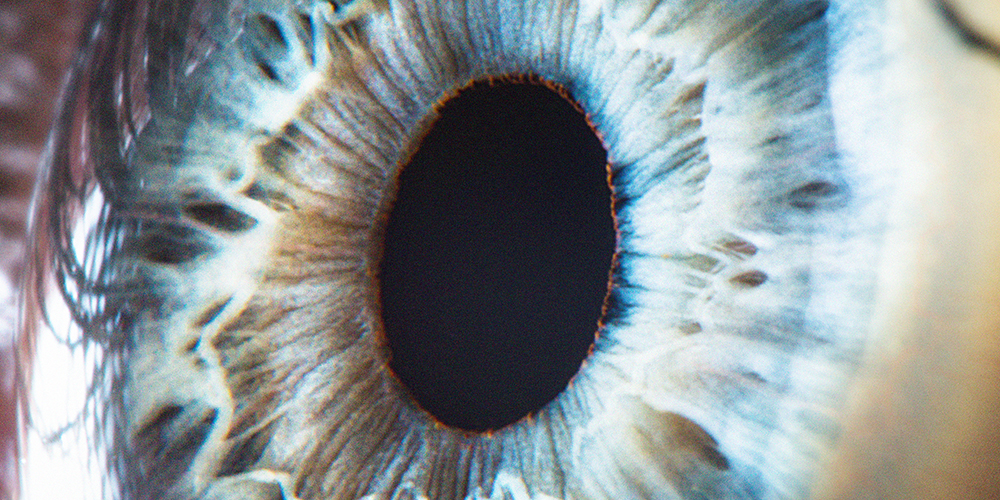
Text: Yvonne Vahlensieck / Stargardt disease is a hereditary condition that leads to the loss of sharp vision at a young age. In Basel, scientists and clinicians are working together to develop a gene therapy treatment for the disease. The method is expected to be available for clinical trials within a few years.