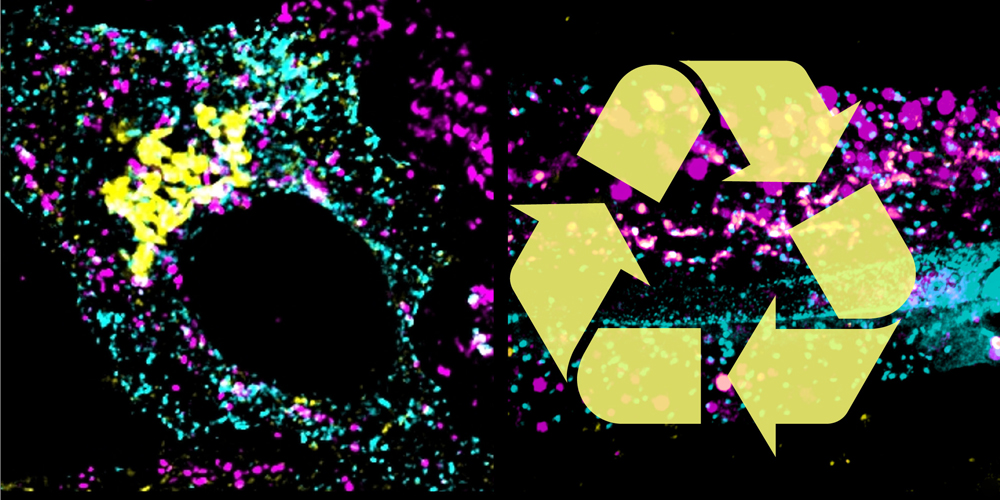
Cells constantly recycle proteins and other cellular components. But how do they ensure that the right cargo ends up in the right recycling vesicle – one of the cell’s transport carriers? A team at the University of Basel has identified a molecular switch that controls this process. The small protein ARF-1 ensures that recyclable cargo is efficiently loaded into transport vesicles and returned to the cell’s surface.
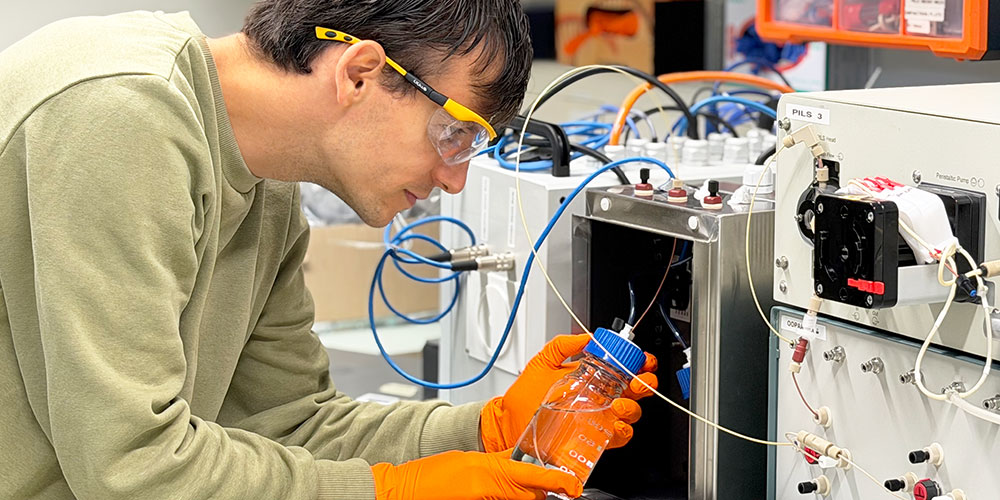
Researchers at the University of Basel have investigated how fine particles in exhaust emissions from aircraft and marine engines change in the atmosphere. Their findings show that aircraft emissions in particular become more toxic over time.
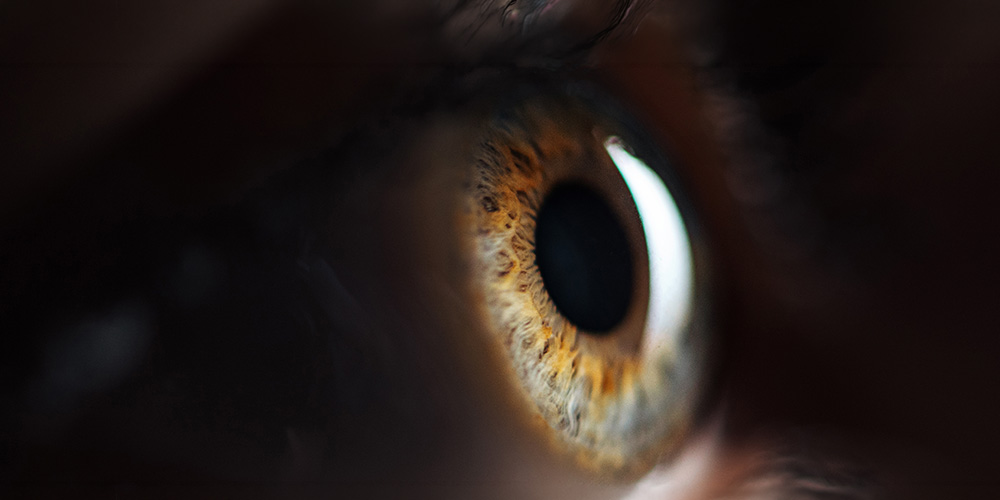
A gene therapy combined with special goggles can help people with a severe inherited retinal disease perceive simple visual information again. An international study involving the Institute of Molecular and Clinical Ophthalmology Basel (IOB) and the University of Basel has now found improvements in visual perception in several participants.
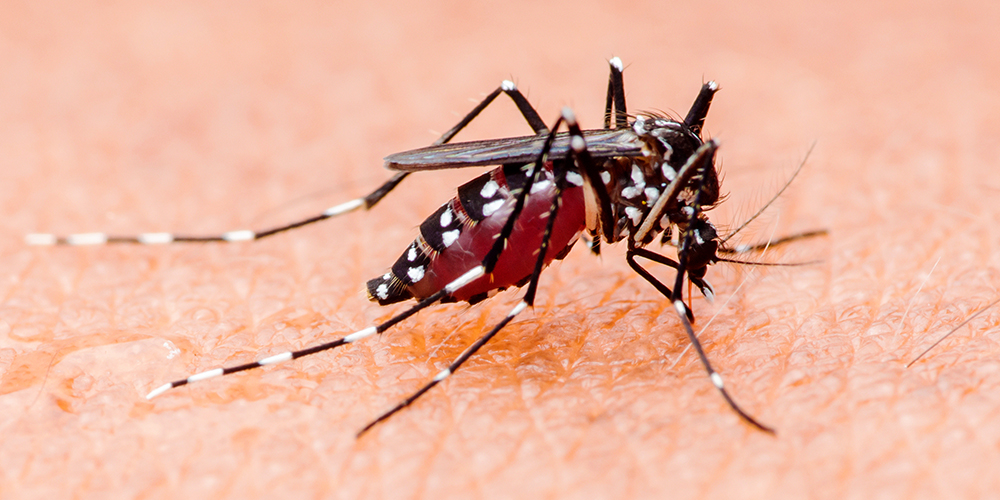
At first, it spread almost unnoticed, but for the past two years the tiger mosquito has been found throughout Basel. In recent years, Aedes albopictus has become a real nuisance, particularly because it is active during the day and can bite several times. Researchers from Swiss TPH and the University of Basel have now investigated how the canton can treat one of the mosquito’s breeding sites particularly effectively.
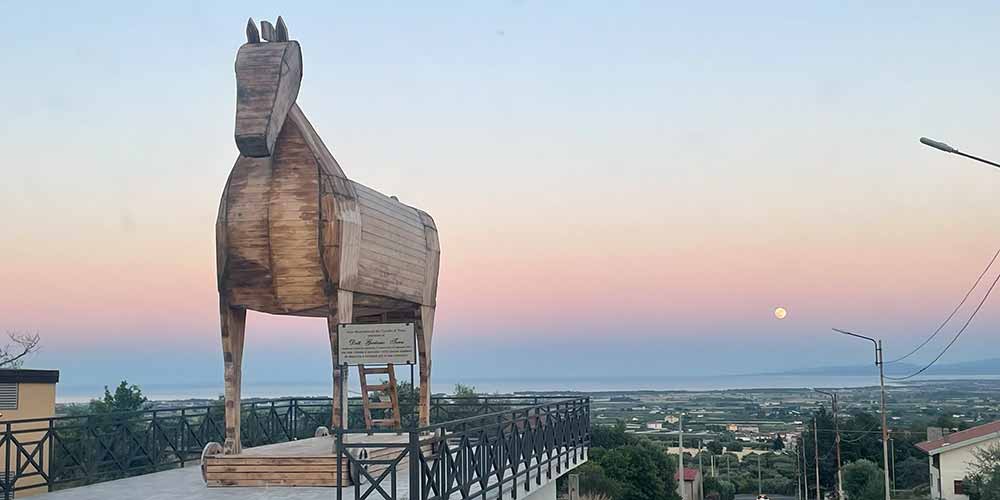
As Greece expanded, Homer’s epic also spread to the western Mediterranean. A search for clues in Calabria, where the builder of the Trojan Horse is said to have been buried and where archaeologists from Basel have been conducting excavations for many years.
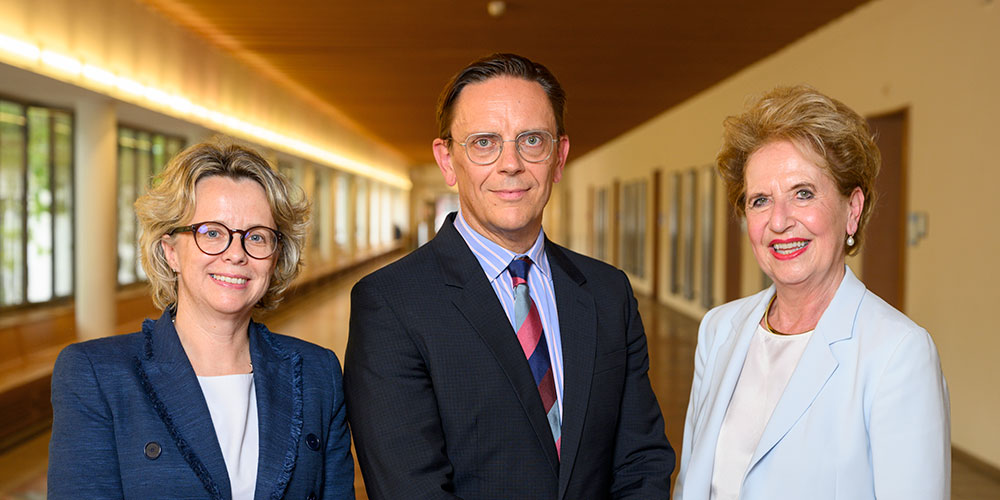
Professor Ralph Ubl is the new Chair of the University of Basel Senate. The art historian succeeds Professor Daniela Thurnherr, who has been elected as a judge at the Swiss Federal Supreme Court.
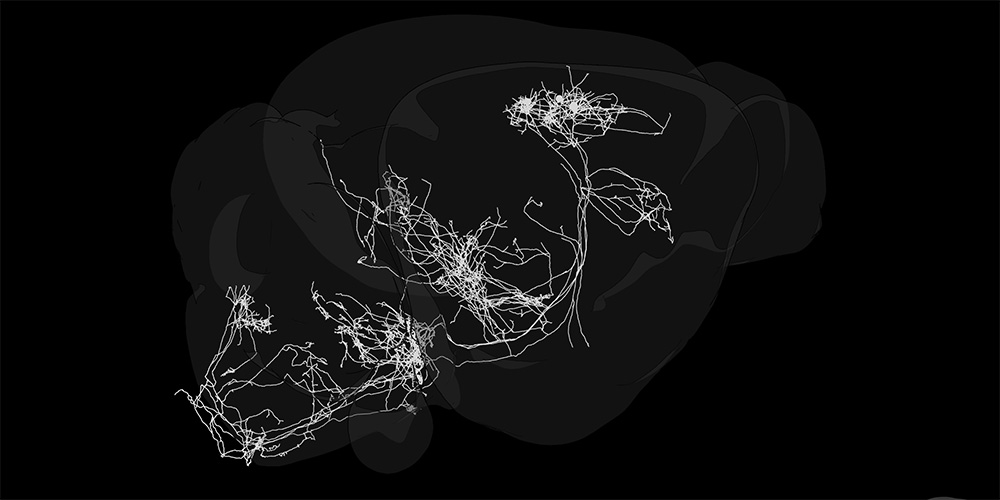
Researchers at the Biozentrum of the University of Basel and the FMI have created the most detailed map yet of the mouse motor cortex. The map reveals 16 distinct subregions and sheds new light on the brain circuits that control movement. The findings could help researchers better understand conditions that affect these circuits, including amyotrophic lateral sclerosis and dementia.
Dominik Fleitmann uses stalagmites to trace how the climate and environment have changed over thousands and even millions of years. These natural archives also reveal how climate change has shaped human habitats – and what consequences today’s climate change could have.
The University Council has appointed Professor Gregor Hutter as Clinical Professor of Neurosurgery at the Faculty of Medicine.