UNI NOVA – Research Magazine of the University of Basel
-
 Research
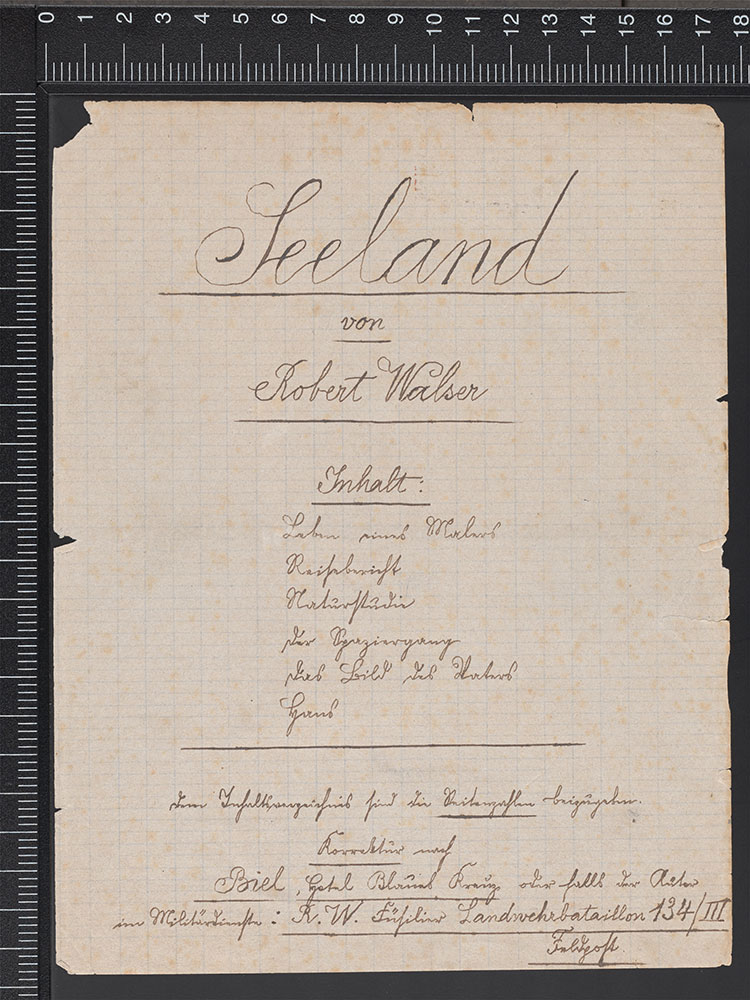
Robert, what does that say there?
Text: Noëmi Kern / When we read a book, we seldom ask ourselves how the text originated or how closely what we are reading corresponds to the original version. That, however, is precisely what the producers of text critical editions must consider. A research team in Basel is currently working on such an edition of the complete works of Robert Walser.
-
 Research
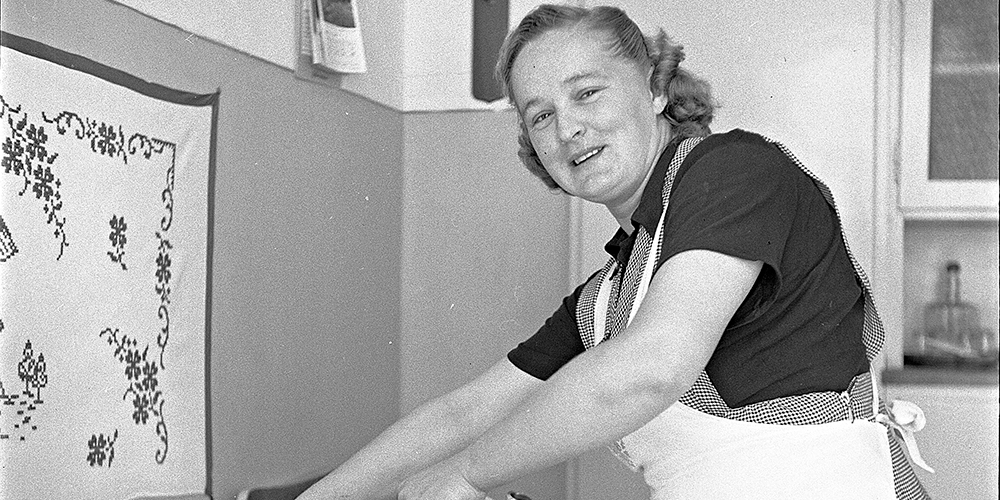
Immigrant, female, poor.
Text: Christoph Dieffenbacher / The maid in the white apron has had her day in service. More and more people, however, are being employed to work in households – mostly women paid a small wage. A Basel historian is investigating how paid domestic work developed during the 20th century.
-
 Alumni
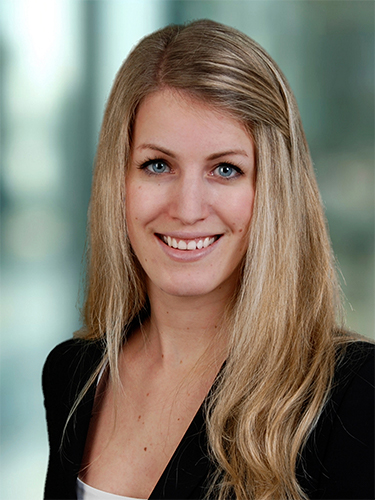
An eye for risks and potential.
Interview: Bettina Volz / Is a newly marketed drug really safe? Epidemiologist Rahel Schneider identifies and quantifies the risks of drugs at Novartis in Basel. In addition, as a former scholarship holder, she is involved with the Swiss Study Foundation in screening young applicants.
-
 Alumni
Networks support new start.
Text: Fabienne Gribi / Fabienne Gribi studierte in Basel Jurisprudenz und schloss 2012 ihre Anwaltsprüfung ab. Heute ist sie in New York als Unternehmensberaterin im Bereich Nachhaltigkeit und Innovation tätig.
-
 Column
Dystopia as a mirror to society.
Text: Anna Karško / My book: literary scholar Anna Karško recommends two of her favorite books about futuristic dystopias.
-
 In conversation
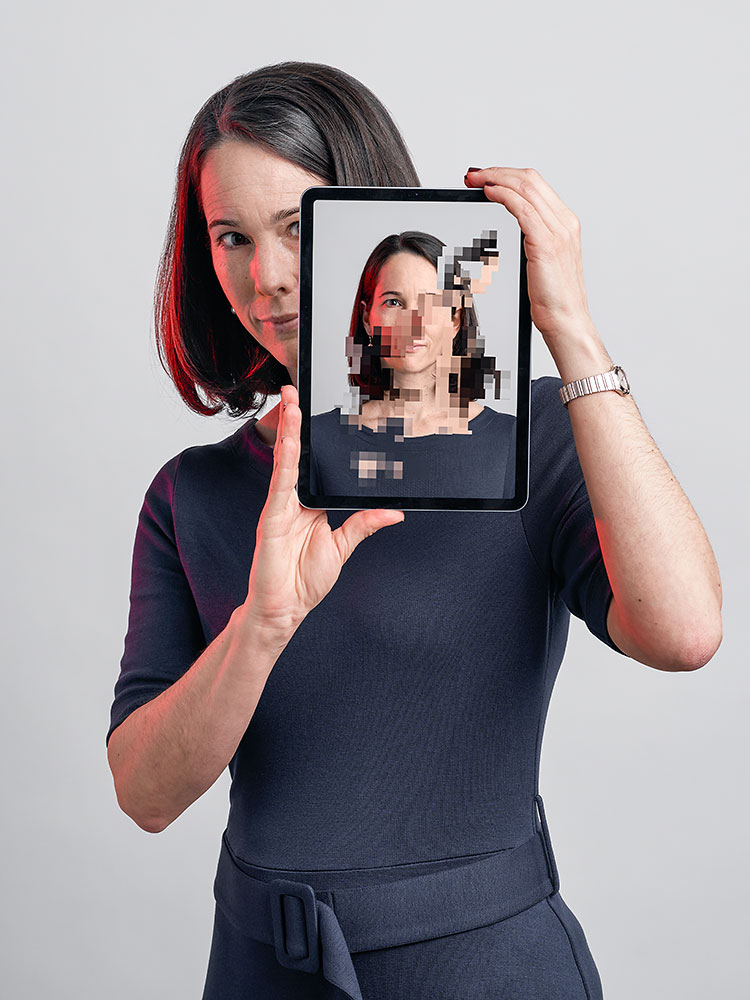
“The hype has given way to skepticism.”
Interview: Urs Hafner / On social media, lies, half-truths and accusations spread like wildfire. That means it poses legal challenges for a democratic society, says Nadja Braun Binder, Professor of Public Law at the University of Basel.
-
 Dossier
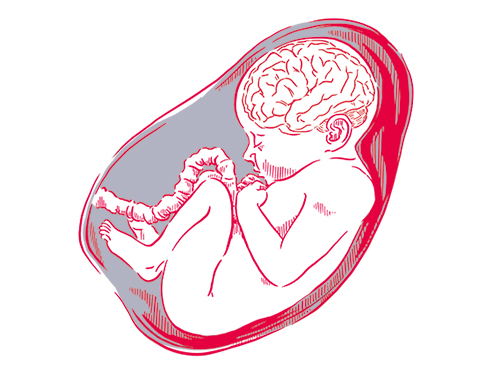
Remembering and forgetting.
Text: Angelika Jacobs, Illustrations: Studio Nippoldt / On the emergence and decay of memory: a journey from the first neurons to beyond death.
-
 Dossier
Lost years of infancy.
Text: Fabienne Hübener / Our earliest childhood memories are buried deep within us. But a number of clues indicate that we continue to store them throughout our lives. Why, then, are we unable to recall them? Flavio Donato and his team are hot on the trail of early memories in the brain.
-
 Dossier
The woman who never forgets.
Text: Angelika Jacobs / There are only about 60 people in the world who can remember everything they have ever experienced. For many of them, this is a source of considerable suffering. Researchers are now scouring their DNA for an answer to the question of why we are able to forget.