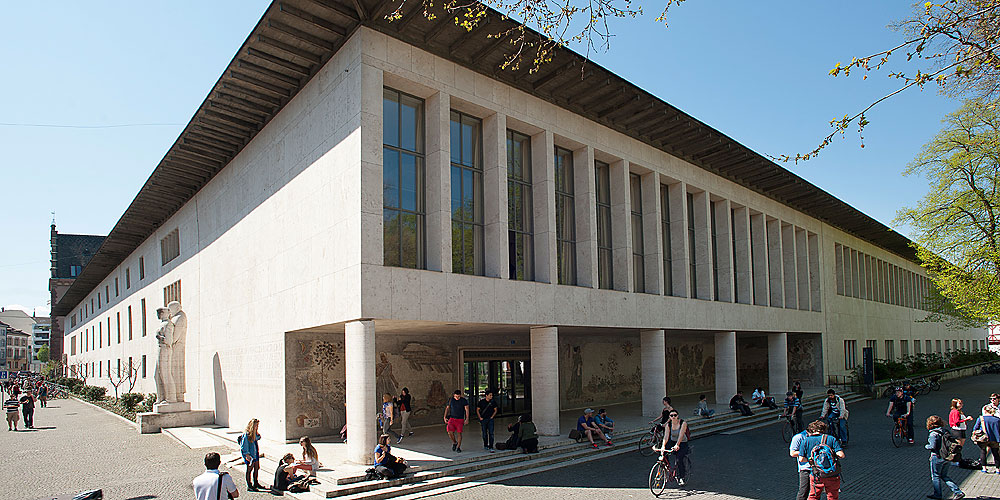
Plague outbreaks in the Early Modern period hit working youths the hardest
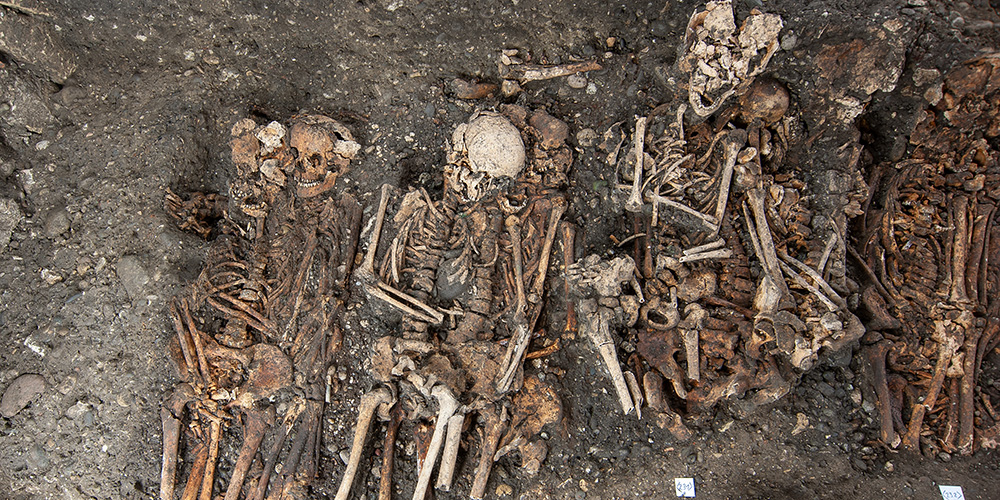
Excavations beneath Basel’s Stadtcasino uncovered graves from the 17th century, including plague burials. Analysis by researchers at the University of Basel shows that it was primarily young people from lower social strata who fell victim to the disease.
14 April 2026
The plague repeatedly ravaged Europe throughout history and regularly affected the city of Basel. The city’s reliance on trade kept the council from closing the gates during epidemics, allowing the disease to spread more easily.
The last documented plague outbreak in Switzerland occurred between 1665 and 1670 CE and claimed numerous lives—also in Basel. The examination of human remains from graves dating to this outbreak reveals how social status influenced plague mortality in Early Modern Europe.
Plague cemetery beneath the Stadtcasino
In the Kreuzgarten (cloister garden) of the former Barfüsser monastery—where the Stadtcasino stands today—excavations by the Archäologische Bodenforschung Basel-Stadt (Archaeological Service) uncovered more than 260 graves from the 17th century. An interdisciplinary team, including researchers from the University of Basel, examined these burials. The results were published in the journal Antiquity.
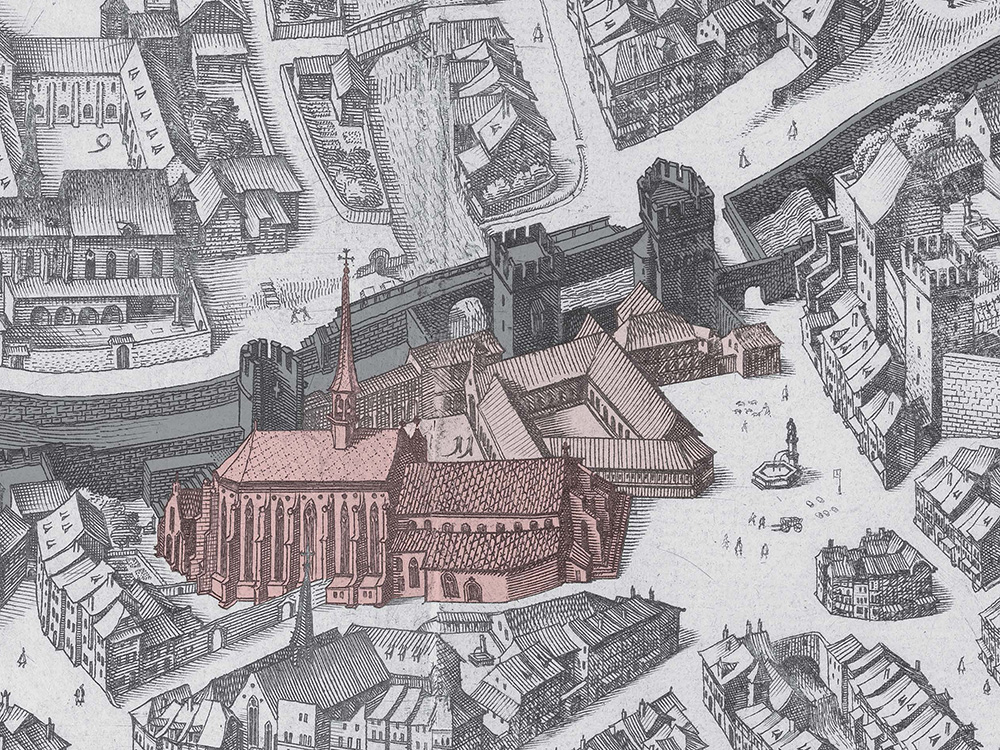
By the 17th century, the monastery had been converted into a hospital. Several adjacent burial pits containing multiple individuals already suggested a plague cemetery during the excavation. An analysis of ancient DNA confirmed the presence of the pathogen Yersinia pestis in at least five individuals. “This is strong evidence that plague was the cause of the catastrophic mortality event that required simultaneous burials,” says Laura Rindlisbacher, lead author of the study. The analyses form part of her doctoral research at the Integrative Prehistory and Archeological Science (IPAS) unit at the Department of Environmental Sciences.
“The dating of these graves provides a rare opportunity to investigate the impact of the plague on real people in an Early Modern city,” the osteoarchaeologist adds. The focus of the study was on observations of signs of strenuous labor as well as on the individuals’ health status. To this end, the researchers examined the bones of the deceased.
Work strain increases vulnerability
The result: the individuals were buried within a short time span and were predominantly young; the average age among the burial group was 17.7 years. They also showed numerous pathological conditions indicative of degenerative diseases such as osteoarthritis and spinal wear.
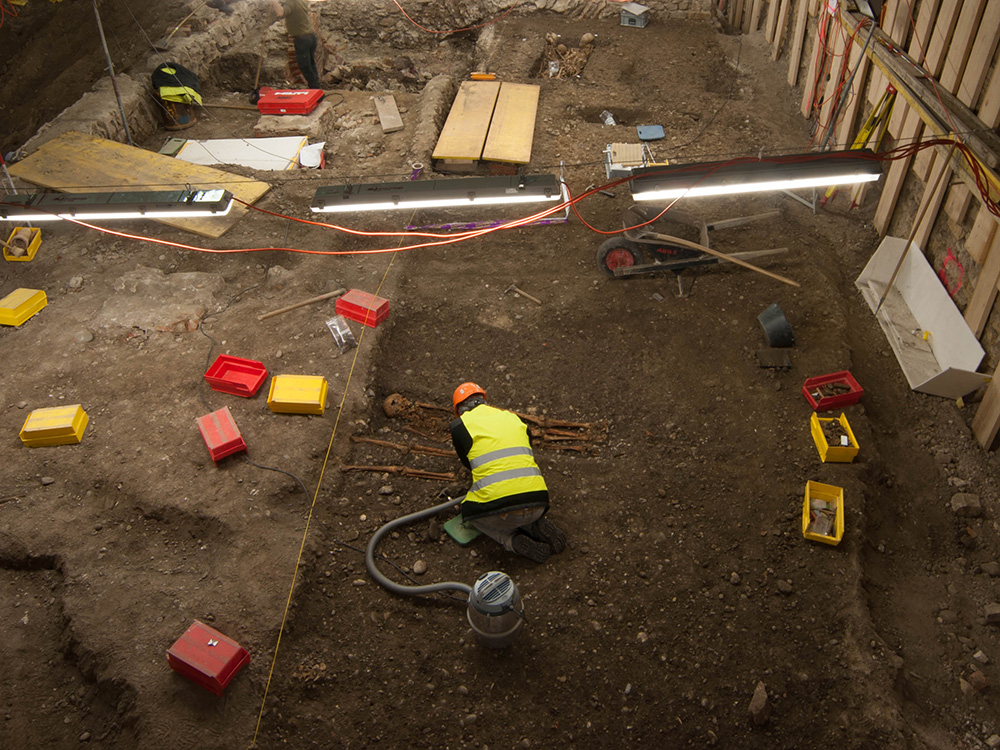
“These were therefore predominantly adolescents who were already engaged in physically demanding work, an indicator of low social status,” the researcher concludes.
Work strain is one of the most important factors for vulnerability during an epidemic and was therefore of particular interest to the research team. “If someone has to work in order to survive, even the risk of contracting a deadly disease cannot stop these individuals from working,” emphasizes Laura Rindlisbacher. This suggests that working youths from lower social classes during Early Modern plague outbreaks were not only more likely to become infected, but were also more likely to die.
Social status as a risk factor
The plague burials thus provide a direct insight into the living conditions of the middle and lower classes in Early Modern Basel and into their quality of life—aspects rarely documented in official written sources. “It is striking to see how severely the plague cut short young lives, especially those of disadvantaged youths from lower classes who in Early Modern Basel were already subjected to hard and frequent labor at an early age,” Rindlisbacher concludes.
The analysis of historical sources from the Basel State Archives provided additional information on the course and death toll of this last plague epidemic. “In addition to municipal measures, medical care was provided by family or similar close-knit social networks,” says Rindlisbacher. Although social cohesion in the Early Modern period was strong, it did not automatically include everyone. “In these social dynamics, citizenship status as well as perceptions of honor and respectability were important forms of social capital.”
Parallels to Covid-19
Such dynamics were also evident in recent times during the Covid-19 pandemic, when socioeconomic status, citizenship, and access to social support networks influenced the vulnerability of specific social groups. However, how these factors contributed to mortality in the past has been poorly understood. “We wanted to investigate how such relationships played out in an Early Modern context as well.”
Original publication
Laura Rindlisbacher et al.
All equal in the face of death? Life histories of confirmed victims of the last plague epidemic in Basel (Switzerland)
Antiquity (2026), doi: 10.15184/aqy.2026.10297