A year after being infected with coronavirus, those affected are much more likely to suffer from typical long Covid symptoms, such as fatigue, than people who have never had a positive PCR test for coronavirus. This greater prevalence cannot be attributed to mental stress as a result of the pandemic. This is shown by the findings of the Swiss Corona Stress Study, conducted with more than 11,000 participants by the University of Basel.
The latest survey in the University of Basel's Swiss Corona Stress Study shows that psychological stress remains high during the pandemic. However, there are significant differences in the stress factors experienced by vaccinated and unvaccinated people, in particular relating to stress caused by coronavirus measures and fear of the health consequences of Covid-19.
The latest survey by the University of Basel on psychological stress in the second Covid-19 wave has revealed that levels have increased significantly in comparison with the spring of this year. The proportion of people with severe depressive symptoms stood at 9% during lockdown in April, but this figure had risen to 18% in November. Young people are particularly affected, and those who have suffered financially during the pandemic. French-speaking Switzerland has been affected more strongly than the rest of the country.
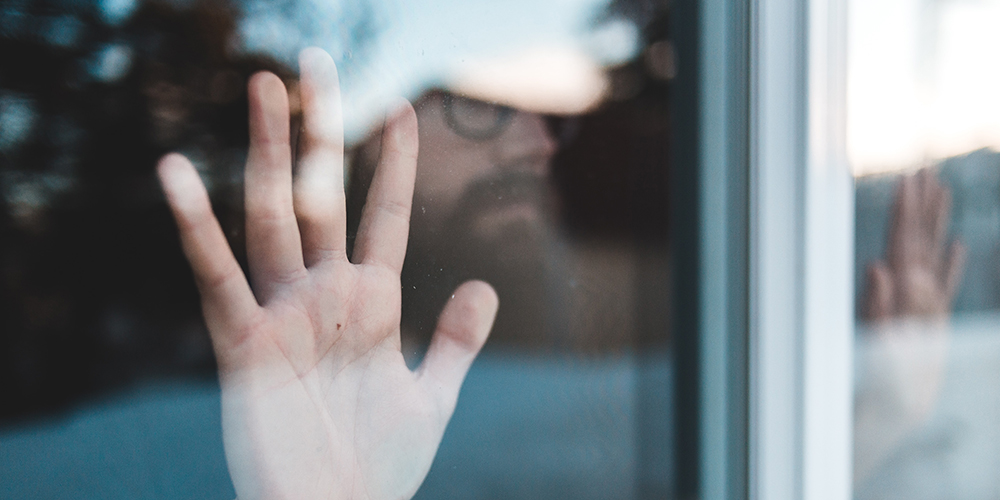
The results of a survey conducted by the University of Basel showed that the pandemic’s first wave put a great deal of psychological strain on many people in Switzerland. Now, the second wave of Covid-19 has arrived just as the nights are drawing in again. A second survey conducted as part of the Swiss Corona Stress Study seeks to determine the effects that the rise in infection rates and restrictions on day-to-day living are having on people’s mental well-being.
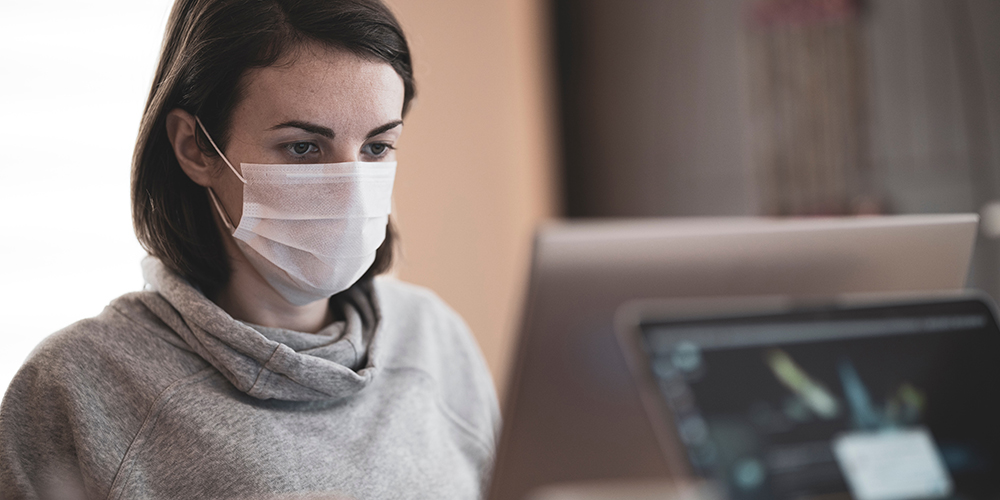
There is less fear of coronavirus since the end of the lockdown, but 40% of the population still feels more stressed than before the pandemic began. These are the results from the analysis of the University of Basel’s Swiss Corona Stress Study. The prevalence of severe depressive symptoms remained relatively high, even after restrictions were lifted. Interestingly, older people appeared to be less susceptible to depressive symptoms during the coronavirus crisis.
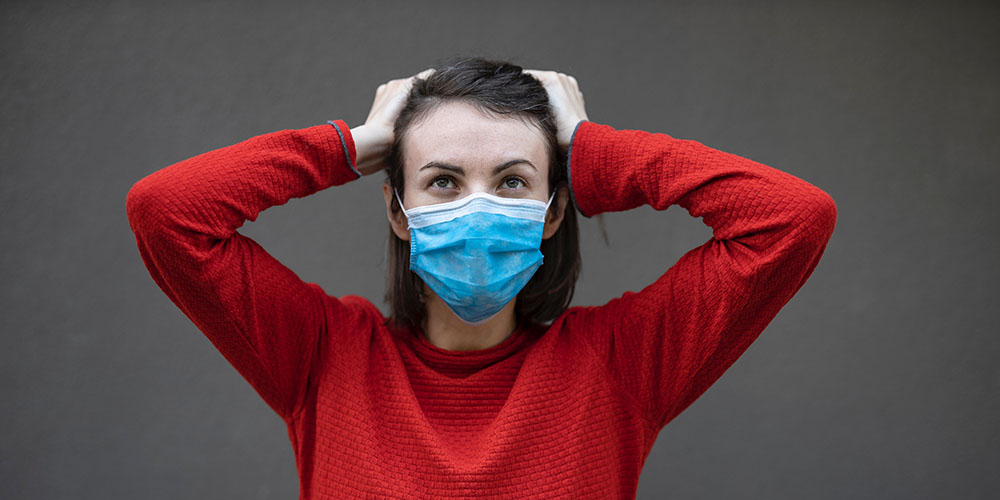
A survey by the University of Basel of over 10,000 people from throughout Switzerland has shown that around half of respondents feel more stressed in lockdown than they did before the coronavirus crisis. In the lockdown phase under study, the frequency of severe depressive symptoms almost tripled. On the other hand, 26% of respondents reported a drop in stress during lockdown. The survey also identified behaviors that can help reduce stress.