

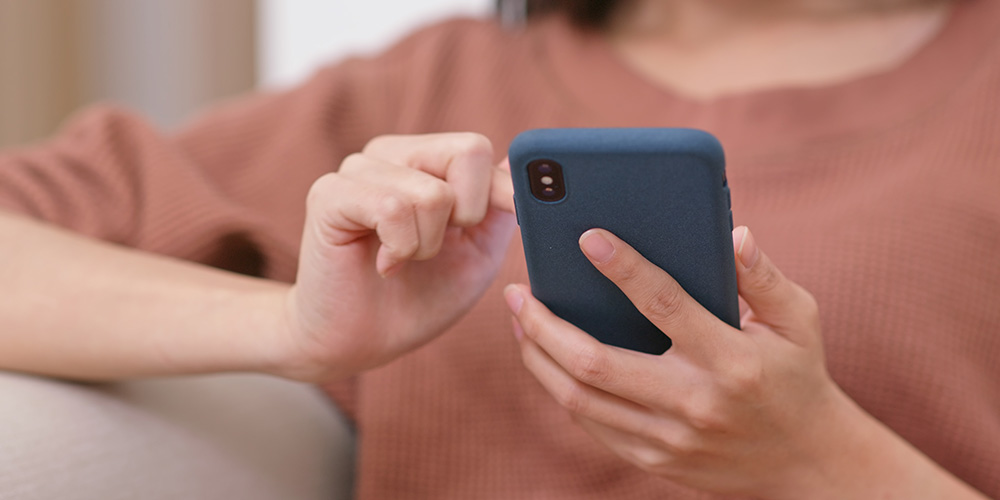
Health apps could be better tailored to the individual needs of patients. A new statistical technique from the field of machine learning is now making it possible to predict the success of smartphone-based interventions more accurately. These are the findings of an international research team led by the University of Basel and reported in the Journal of Affective Disorders.
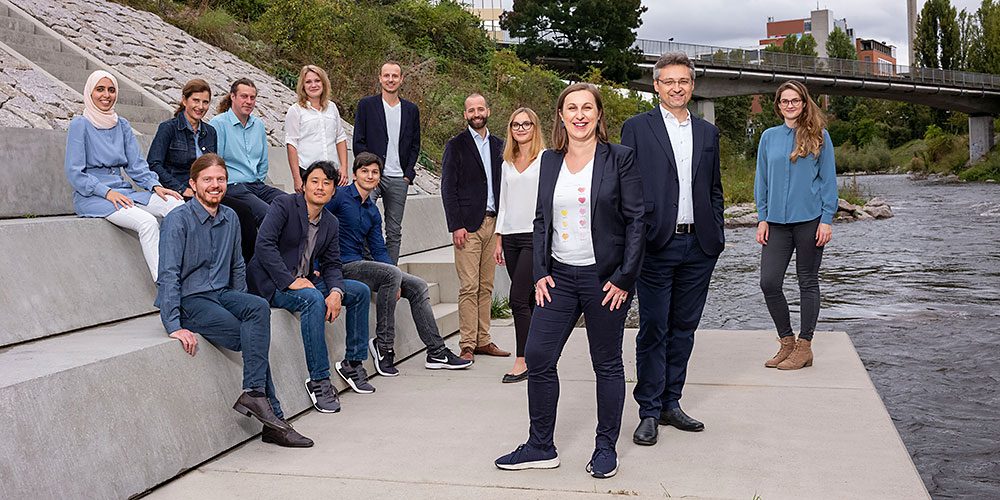
In a general benefit-cost analysis of medical treatments, priority should be given to measures for those who are at the end of their life and those who are seriously ill. These are the recommendations made in a study by health economist Professor Stefan Felder from the University of Basel, published in the Journal of Health Economics.

When pathogens invade the cells, our body combats them using various methods. Researchers at the University of Basel’s Biozentrum have now been able to show how a cellular pump keeps such invading pathogens in check. This pump causes a magnesium shortage, which in turn restricts bacterial growth.
Artidis, which is a spin off from the University of Basel, announces its successful integration in the international Medical Device Cohort 2019 at the Texas Medical Center’s Innovation Institute. Artidis is developing a medical device based on nanotechnology for clinical application in cancer diagnostics.
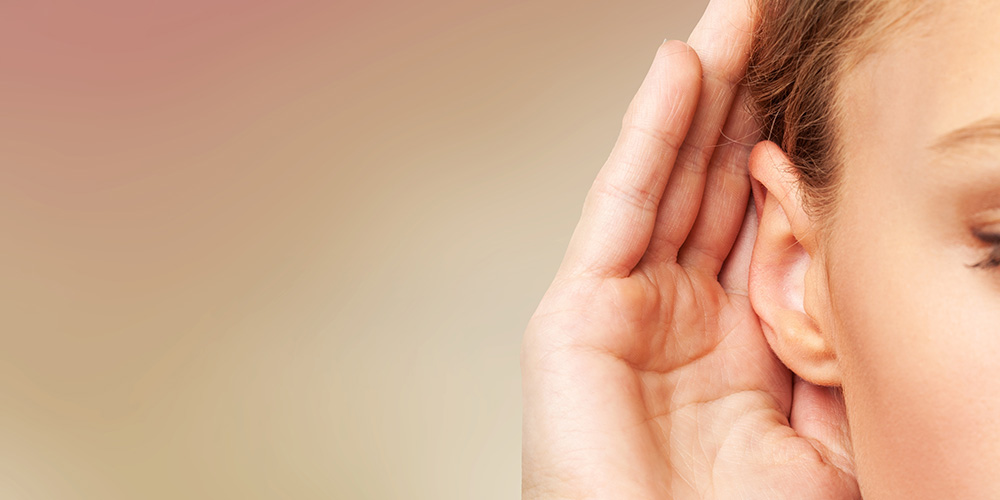
Noise is not the same as noise – and even a quiet environment does not have the same effect as white noise. With a background of continuous white noise, hearing pure sounds becomes even more precise, as researchers from the University of Basel have shown in a study in Cell Reports. Their findings could be applied to the further development of cochlear implants.
Acute myeloid leukemia (AML) mainly affects children, with the prognosis often being poor despite several decades of research into more effective treatments. A new study led by researchers from the University of Basel and from Gustave Roussy Institute, Paris, explains why some forms of leukemia develop only in infants. The study also reveals potential new therapeutic targets, as the researchers report in the journal Cancer Discovery.
Researchers have succeeded in creating an efficient quantum-mechanical light-matter interface using a microscopic cavity. Within this cavity, a single photon is emitted and absorbed up to 10 times by an artificial atom. This opens up new prospects for quantum technology.
Topological insulators are innovative materials that conduct electricity on the surface, but act as insulators on the inside. Physicists at the University of Basel and the Istanbul Technical University have begun investigating how they react to friction.
Chemists from the University of Basel have succeeded in synthesizing two complex natural products from the group of dithiodiketopiperazines (DTPs). For this, they employed a new strategy based on “C-H bond activation,” resulting in a short and high yielding route. In the most recent edition of the Journal of the American Chemical Society, the researchers describe their new concept for the total synthesis of Epicoccin G and Rostratin A.